Pruning should solve a defined problem. “The tree is large” or “it has not been trimmed lately” does not tell us which branches should be removed or what the tree should be like afterward.
Begin with the objective
Common reasons include removing dead or broken branches, guiding structure in a young tree, creating necessary clearance, improving access, or reducing a specific concern that has been assessed in context.
Not sure which objective fits? That is okay. You can begin with what you have noticed and what you hope to accomplish. The pruning objective can be developed from there.
Look from the ground
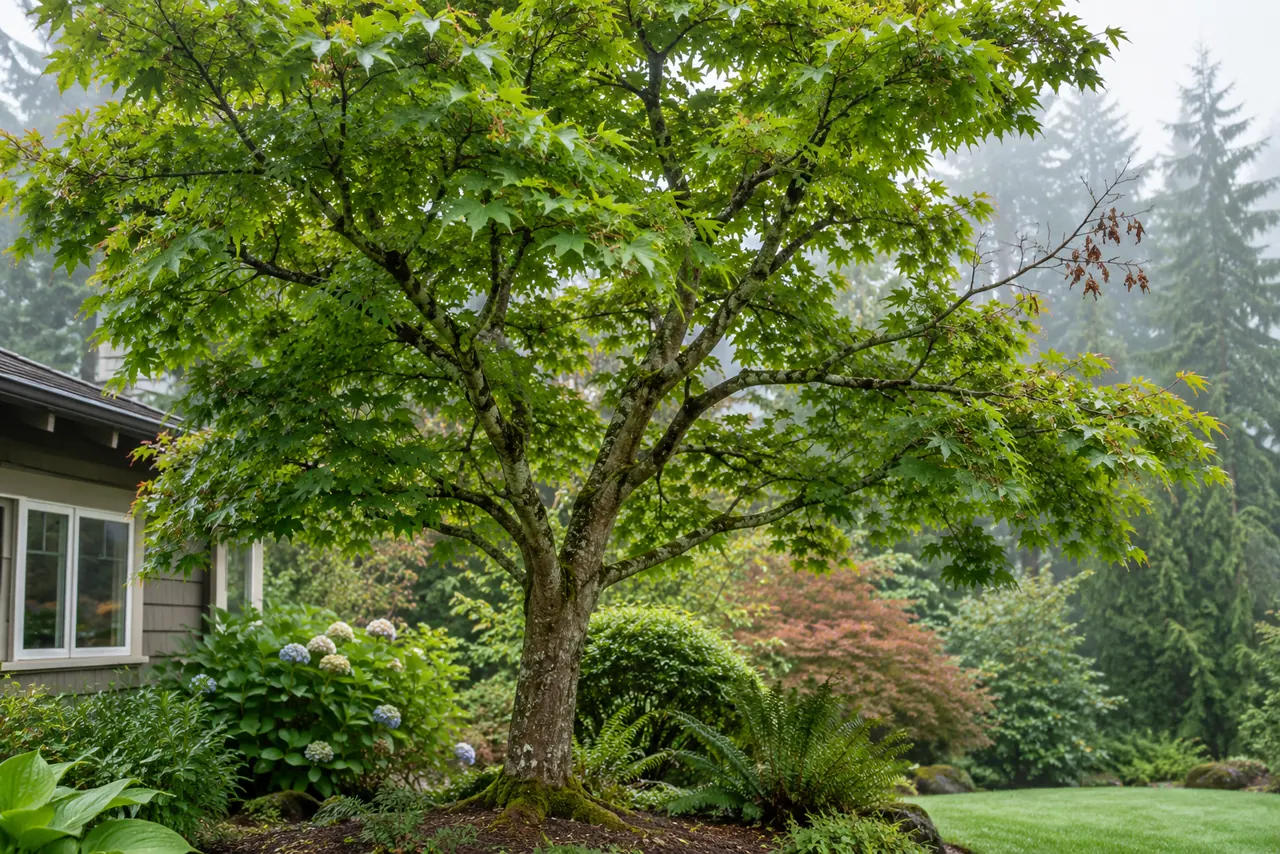
Walk around the tree and compare the crown from several directions. Notice dead branches, recent breakage, rubbing branches, clearance conflicts, and sections that have changed. A branch union that looks unusual is not automatically weak, and a photograph cannot establish its likelihood of failure.
Do not climb or work near electrical conductors. Keep people away from hanging branches, a changing crack, a shifted tree, or lifting soil.
Good pruning often removes less than expected
Leaves produce the energy used for growth, defense, and repair. Every live branch removed changes that system, and every cut creates a wound. Species, age, condition, season, and objective affect how much work a tree can tolerate. The useful rule is to remove the least live tissue needed to accomplish the purpose.
Topping is not size management
Topping cuts major branches to stubs or undersized laterals. It creates large wounds, removes a substantial amount of foliage, and often triggers dense sprouts near the cuts. The tree may quickly regain height while developing a more complicated structure.
Ask what the finished work will accomplish
A pruning proposal should identify the objective, the part of the crown involved, and the type of change expected. If the reason for the work is unclear, an appointment can determine whether pruning is useful or whether another response fits the concern better.
References: Washington State University, Pruning Woody Landscape Plants; International Society of Arboriculture, Best Management Practices: Pruning.