
Pruning & Structure
When Does a Tree Actually Need Pruning?
Good pruning begins with a reason. Deadwood, developing structure, necessary clearance, and a specific assessed concern call for different work.
Read guide →Tree care, explained clearly
Practical education and thoughtful guidance from an ISA Certified Arborist and Tree Risk Assessment Qualified professional serving Pacific Northwest homeowners.
ISA Certified Arborist • TRAQ • PN-9629A
Experience from more than 5,000 residential tree and landscape consultations.
Start with the right question ↓Good tree care starts with context
Trees are living systems, and every property tells a different story. Learn what to notice, when to act, and which kind of professional help fits the situation.
Explore the Tree Care Library →A practical place to start
You do not need to identify the problem or choose a service first. Begin with the tree, shrub, or property question that brought you here.
Begin with your concern
It may be declining foliage, a pruning decision, a planting question, storm damage, or simply a tree that does not look right.
Look at the whole setting
Species, roots, soil, water, structure, recent changes, and your objectives help narrow the possibilities.
Choose a useful next step
That may mean monitoring, tree work, testing, treatment, replacement, or leaving the tree alone.
Tree Care Library
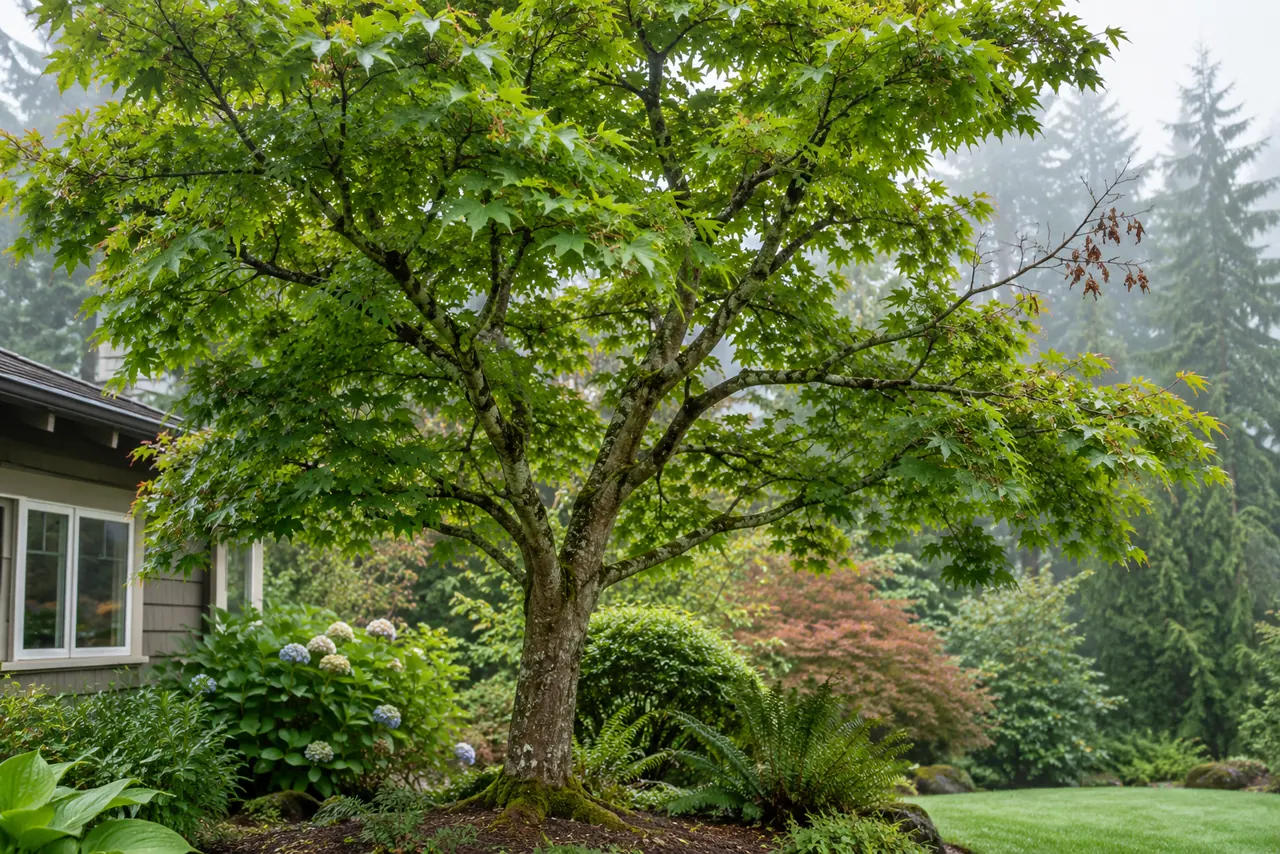
Pruning & Structure
Good pruning begins with a reason. Deadwood, developing structure, necessary clearance, and a specific assessed concern call for different work.
Read guide →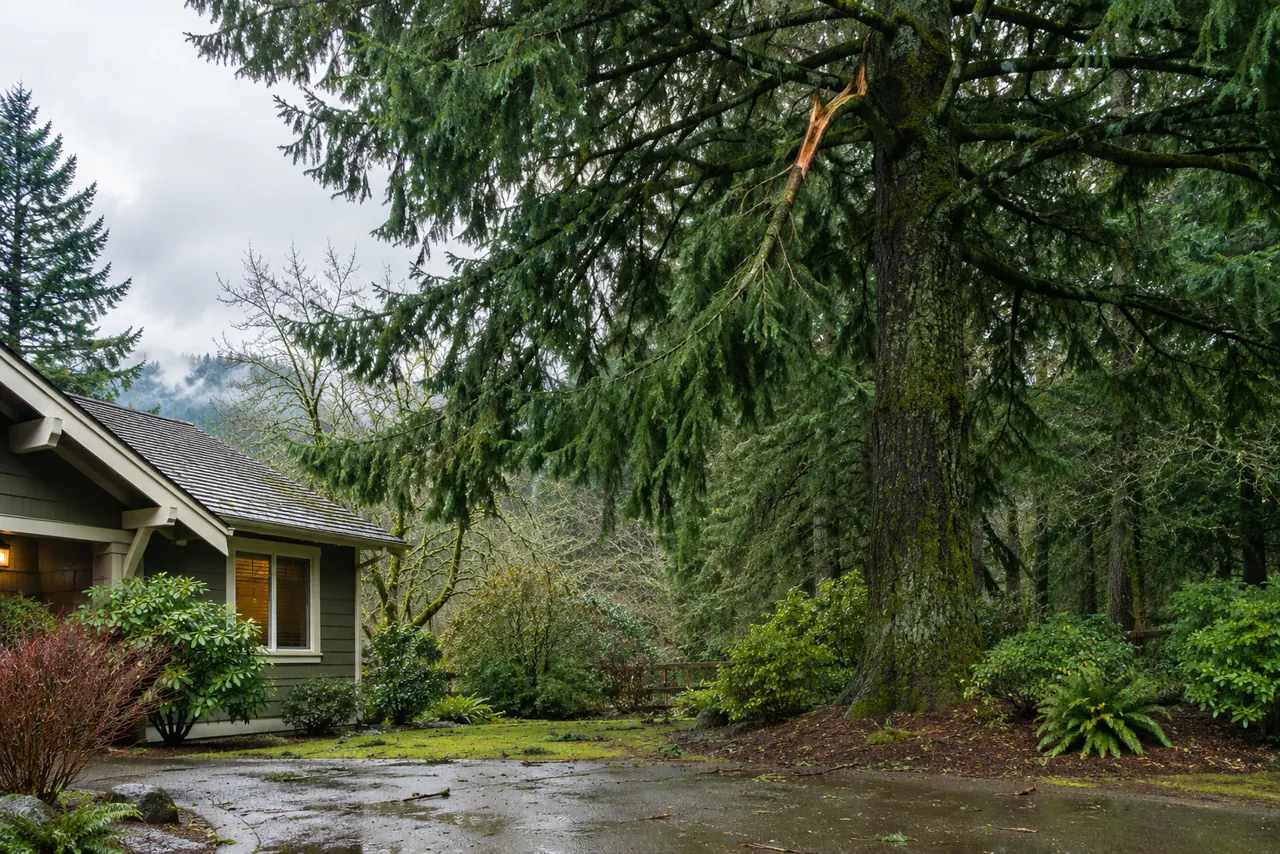
Tree Risk & Safety
After high winds, begin with distance and change. Hanging branches, fresh cracks, movement at the roots, and electrical contact require different responses from ordinary seasonal debris.
Read guide →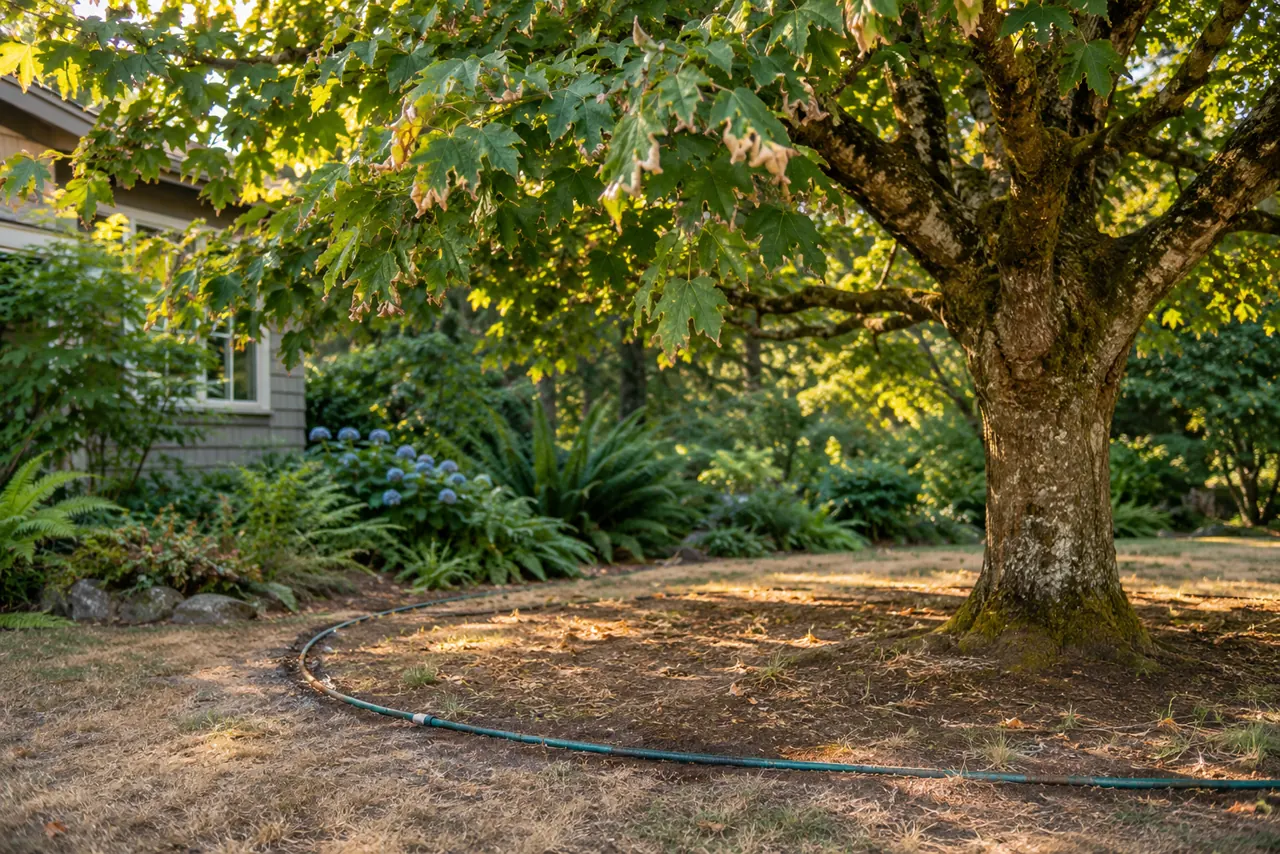
Tree Health
Summer symptoms do not automatically mean “add water.” Check moisture, delivery, drainage, root conditions, and new pest activity before deciding what the tree needs.
Read guide →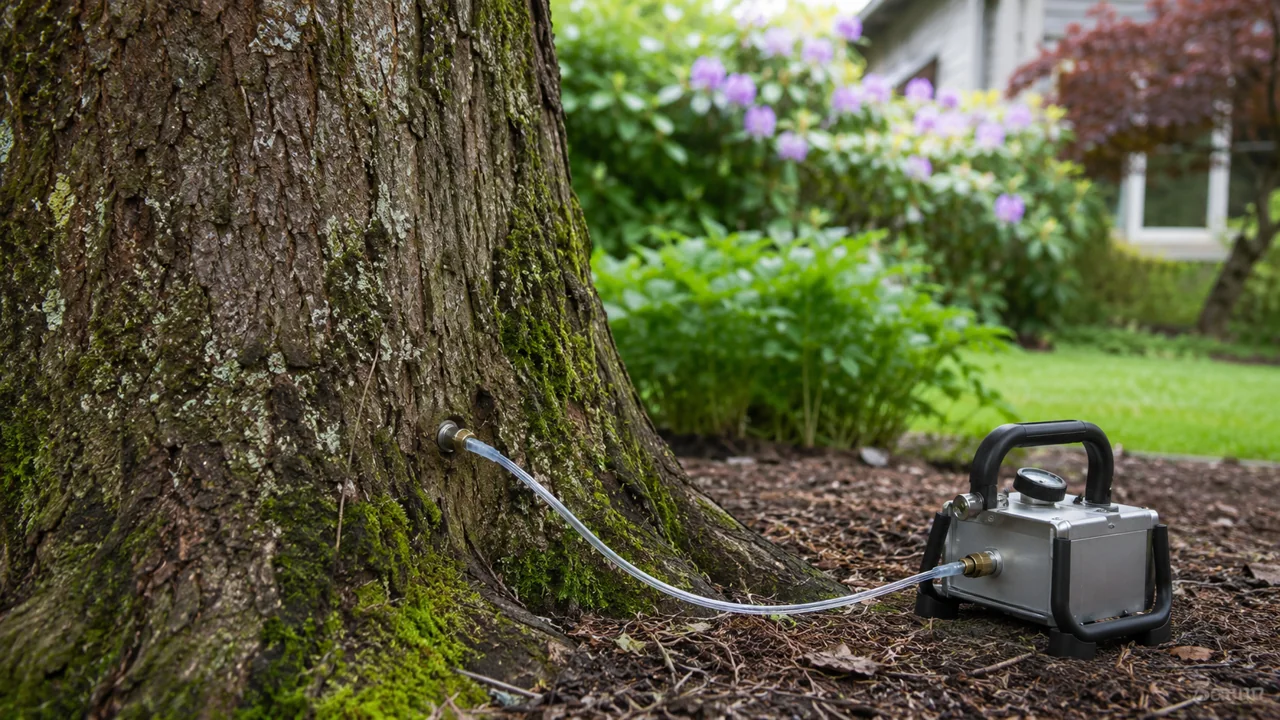
Pests & Disease
Drought can weaken a conifer’s natural defenses and give bark beetles an opening. A properly selected tree injection can protect valuable trees from within, where these insects feed.
Read guide →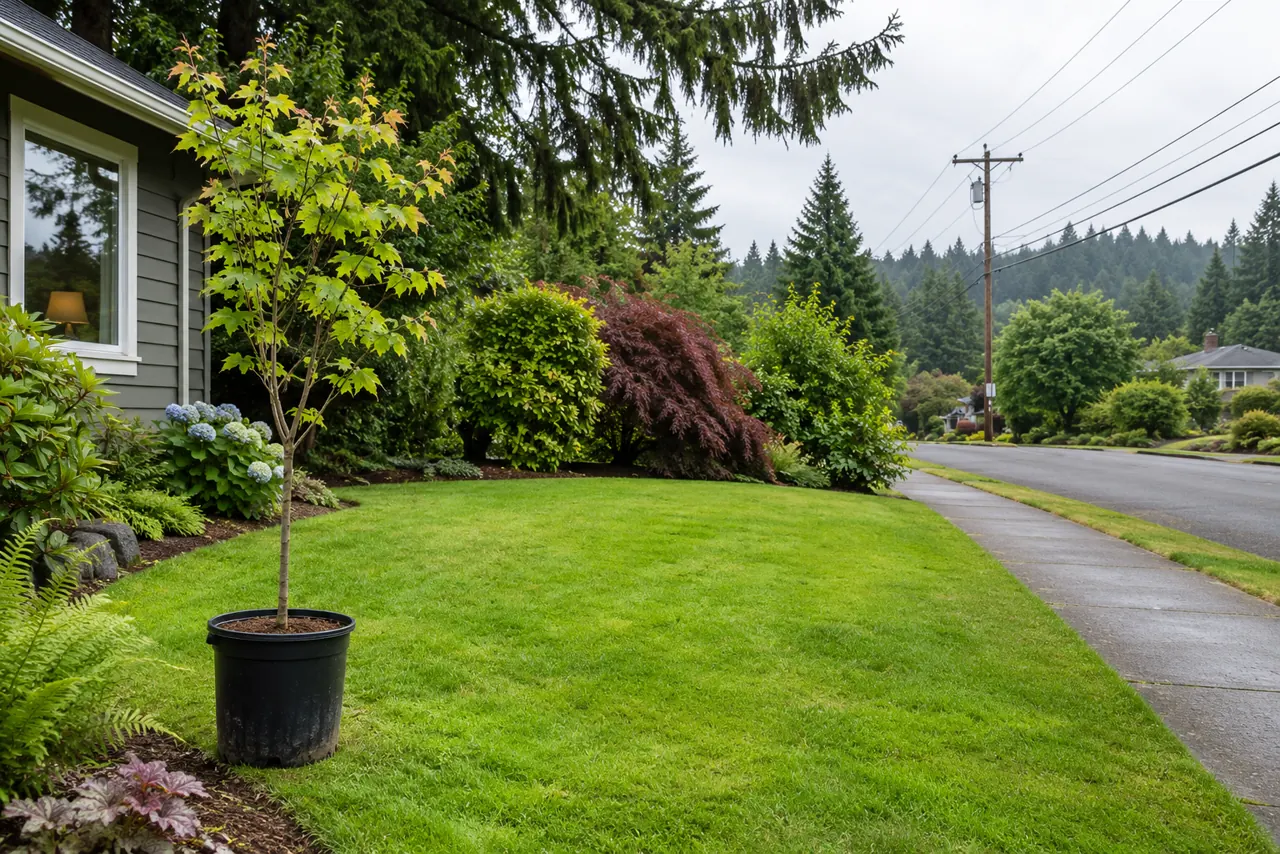
Planting & Planning
Choose the mature tree for the site, not the nursery-sized tree. Overhead space, roots, soil, pavement, water, and future climate all belong in the decision.
Read guide →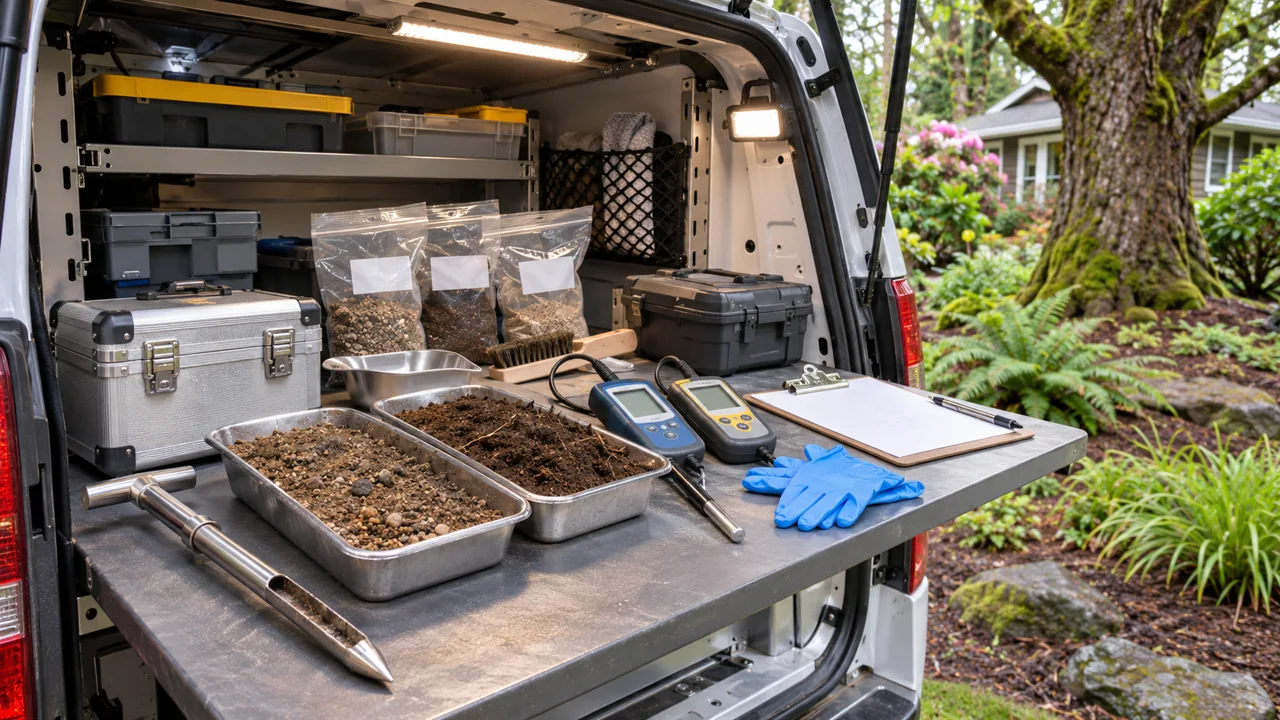
Soil & Roots
A soil test can clarify pH, salts, organic matter, and nutrient context. Paired with the tree and site, it can guide precise amendments and stronger root-zone care.
Read guide →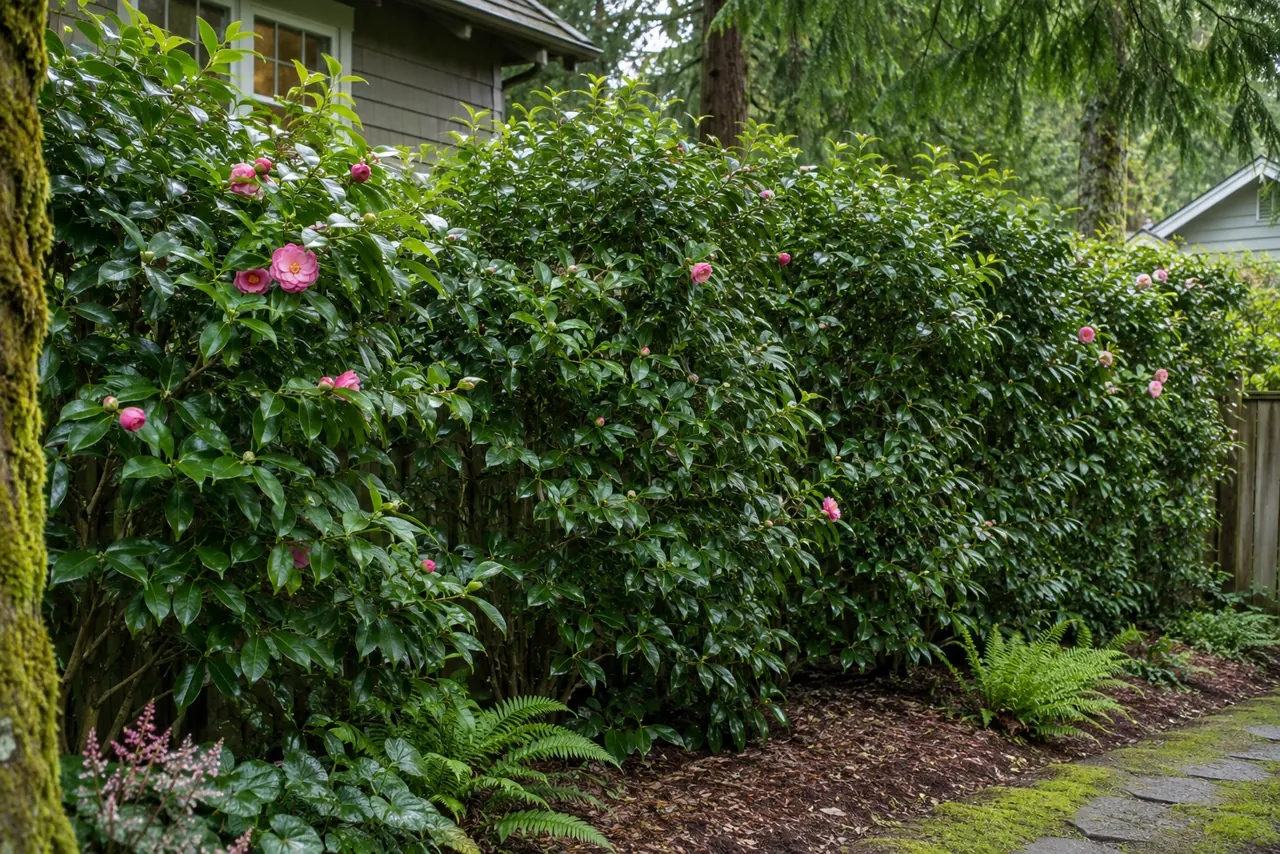
Pruning & Structure
A screening camellia succeeds when useful foliage remains dense near windows, patios, and property lines. Pruning should preserve that coverage while managing growth gradually.
Read guide →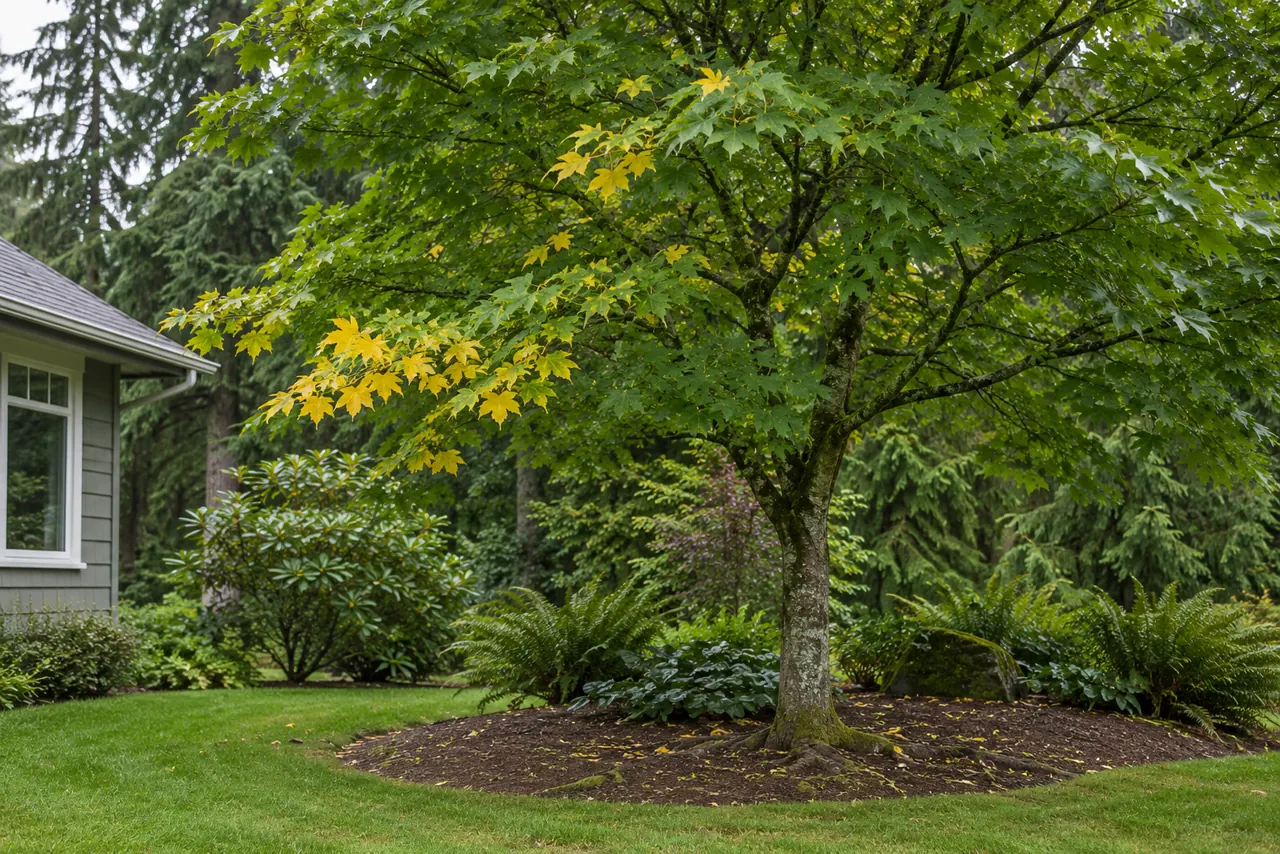
Tree Health
Yellow foliage is a symptom, not a diagnosis. Where it begins, which leaves are affected, soil moisture, and recent site changes help narrow the next question.
Read guide →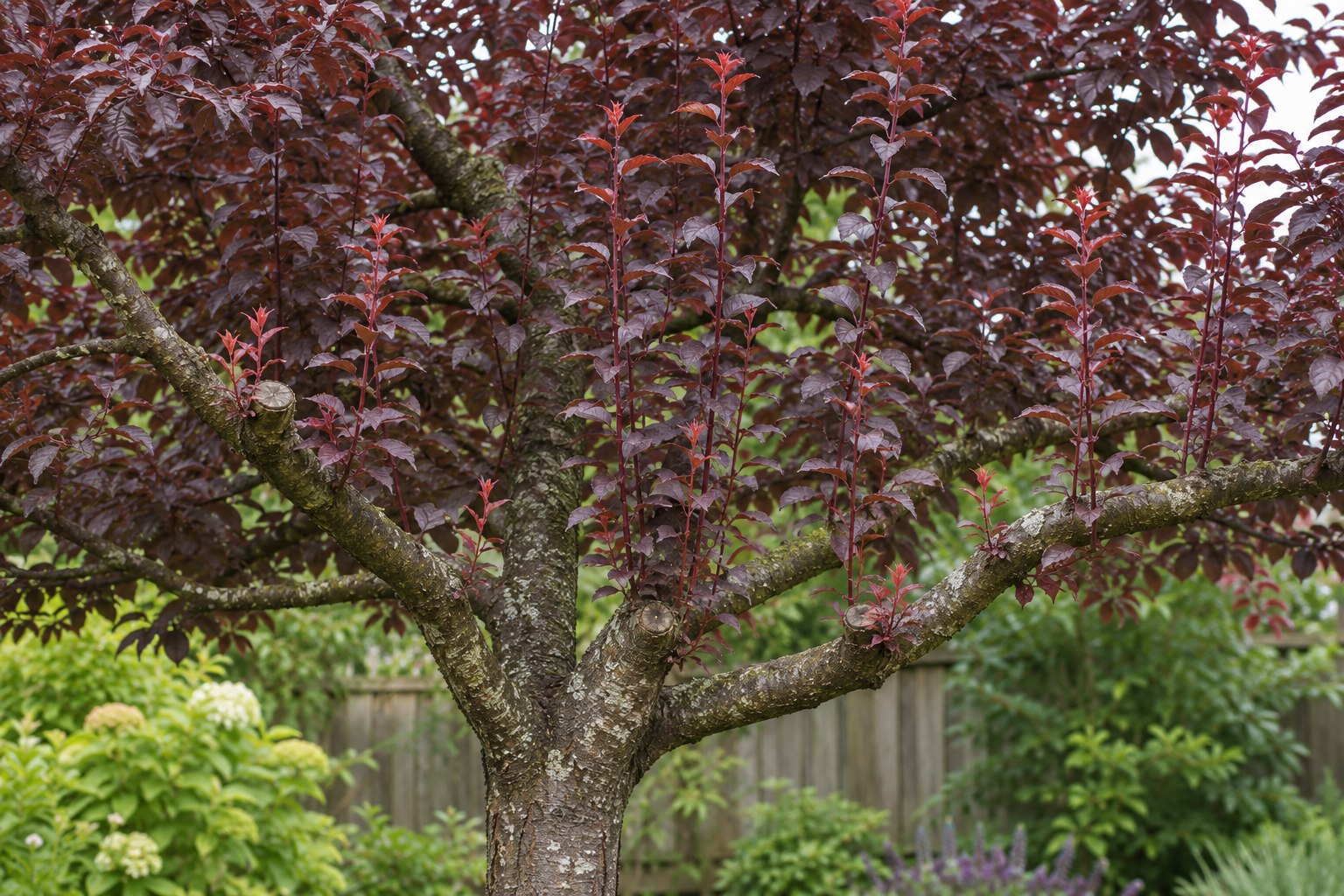
Pruning & Structure
Fast, upright shoots are often a tree’s response to pruning, stress, or abundant stored energy. Knowing where they begin helps explain what to do next.
Read guide →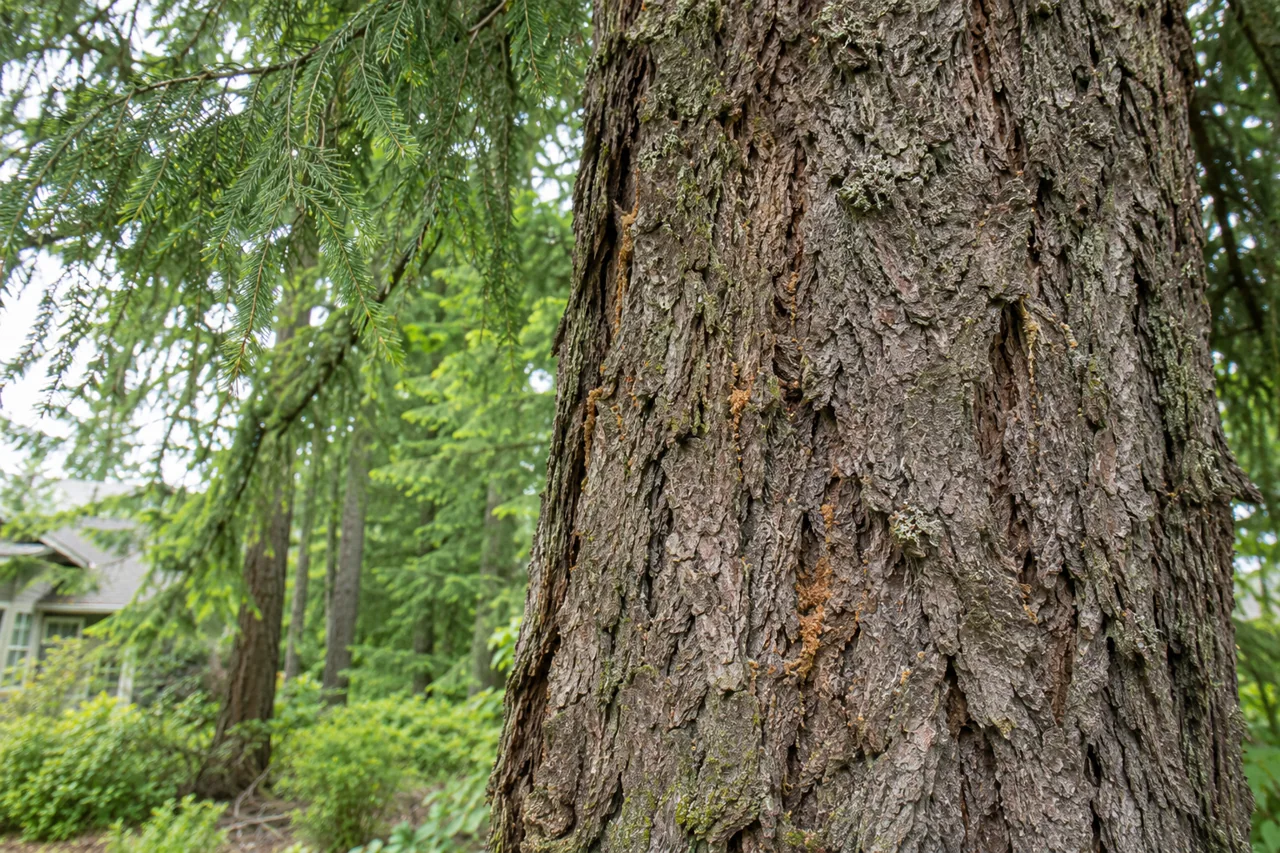
Pests & Disease
Boring dust, fresh resin, crown change, nearby mortality, and recent drought can signal bark-beetle pressure. The earlier the pattern is checked, the more options a valuable Douglas-fir may have.
Read guide →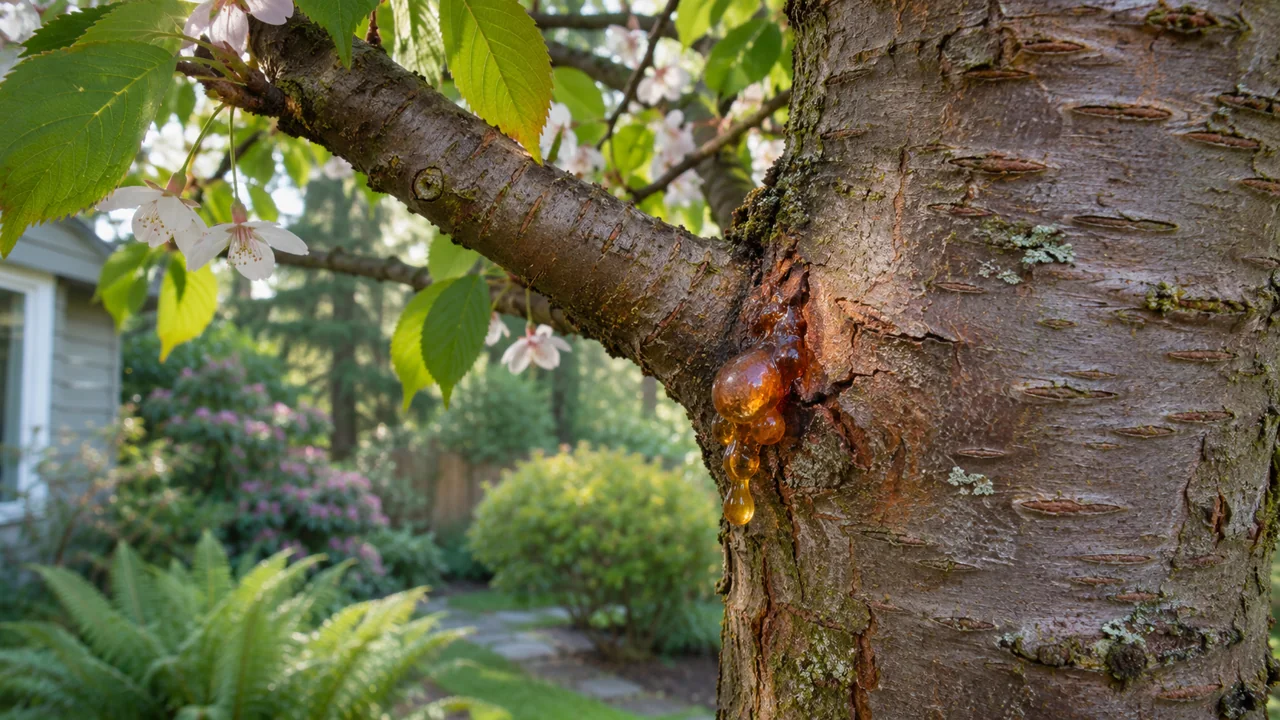
Pests & Disease
Amber gum is a tree response, not a diagnosis. Its position, the bark around it, crown symptoms, insects, weather, and site history help reveal what the cherry is responding to.
Read guide →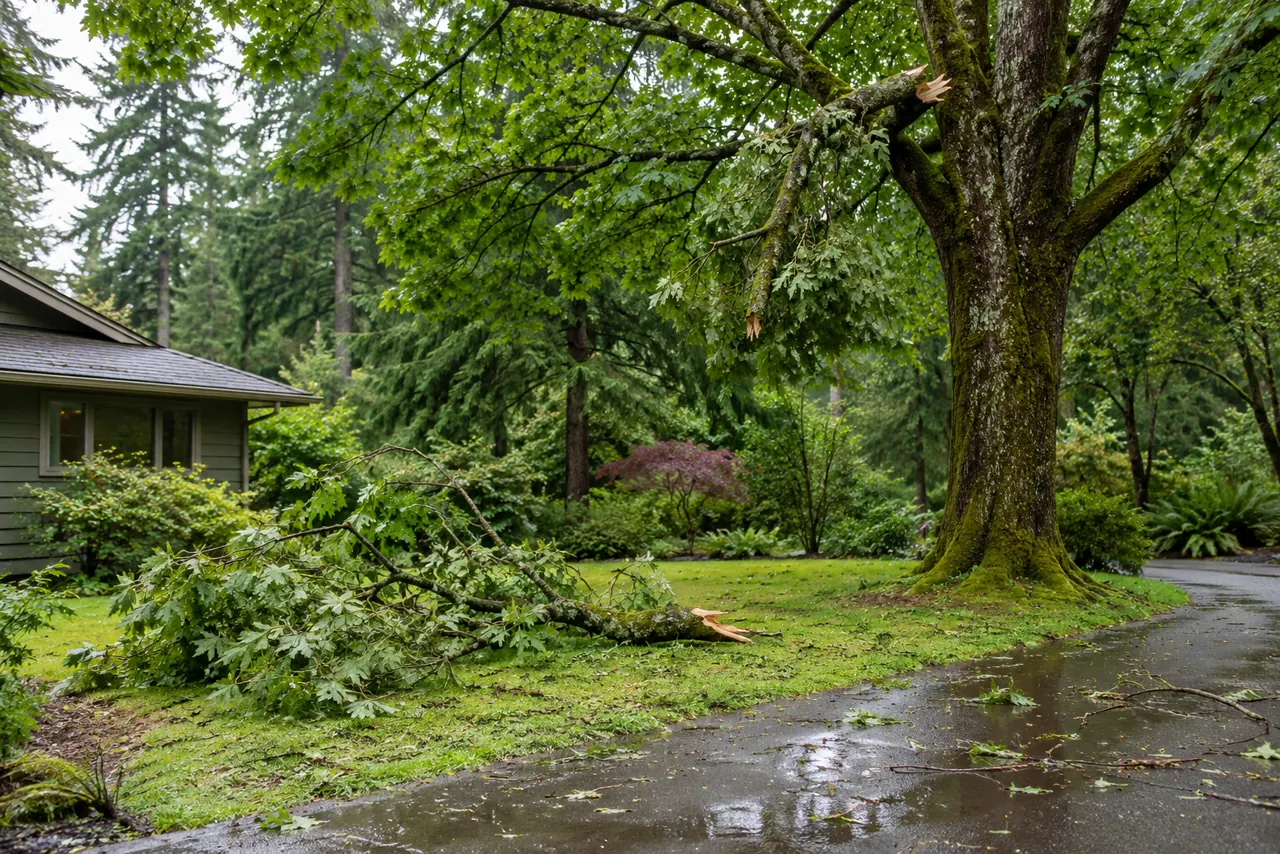
Tree Risk & Safety
Storm cleanup begins with controlling the area, recognizing electrical and suspended hazards, and deciding what requires emergency response before cutting starts.
Read guide →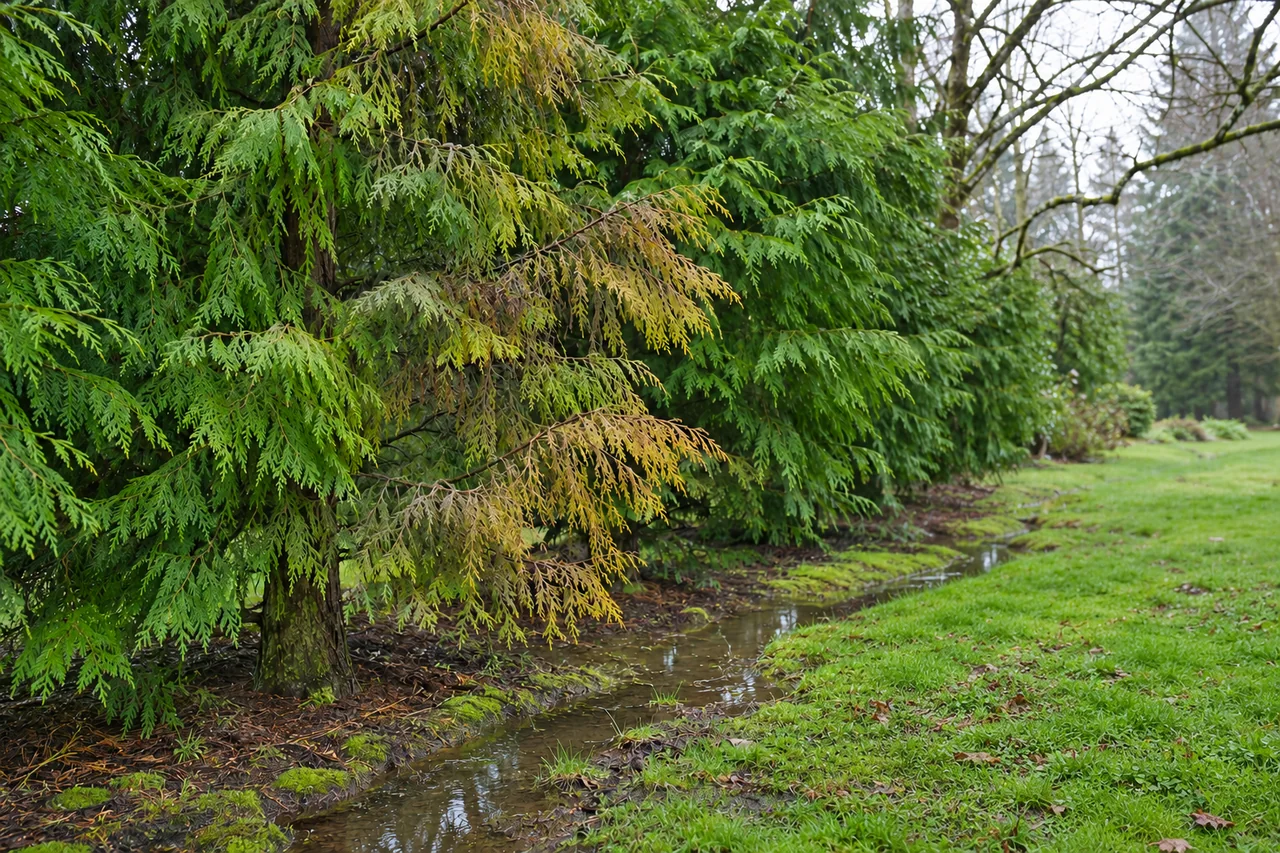
Pests & Disease
Wet soil can injure roots without a pathogen, and Phytophthora can take advantage of the same conditions. Drainage, root function, symptom patterns, and purposeful testing separate the two.
Read guide →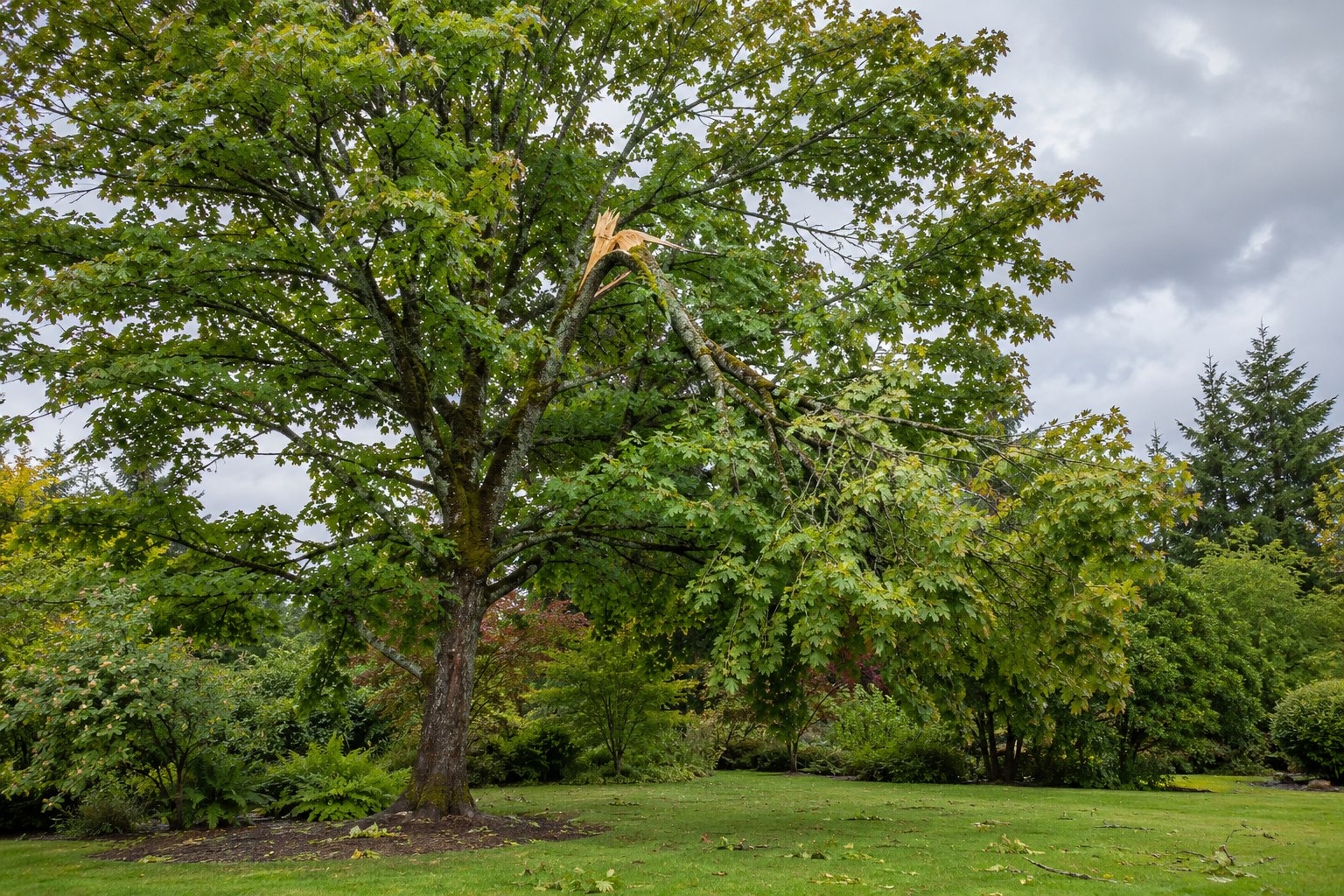
Tree Risk & Safety
A dramatic break does not automatically settle the tree’s future. What remains, where it failed, and what could be struck all matter.
Read guide →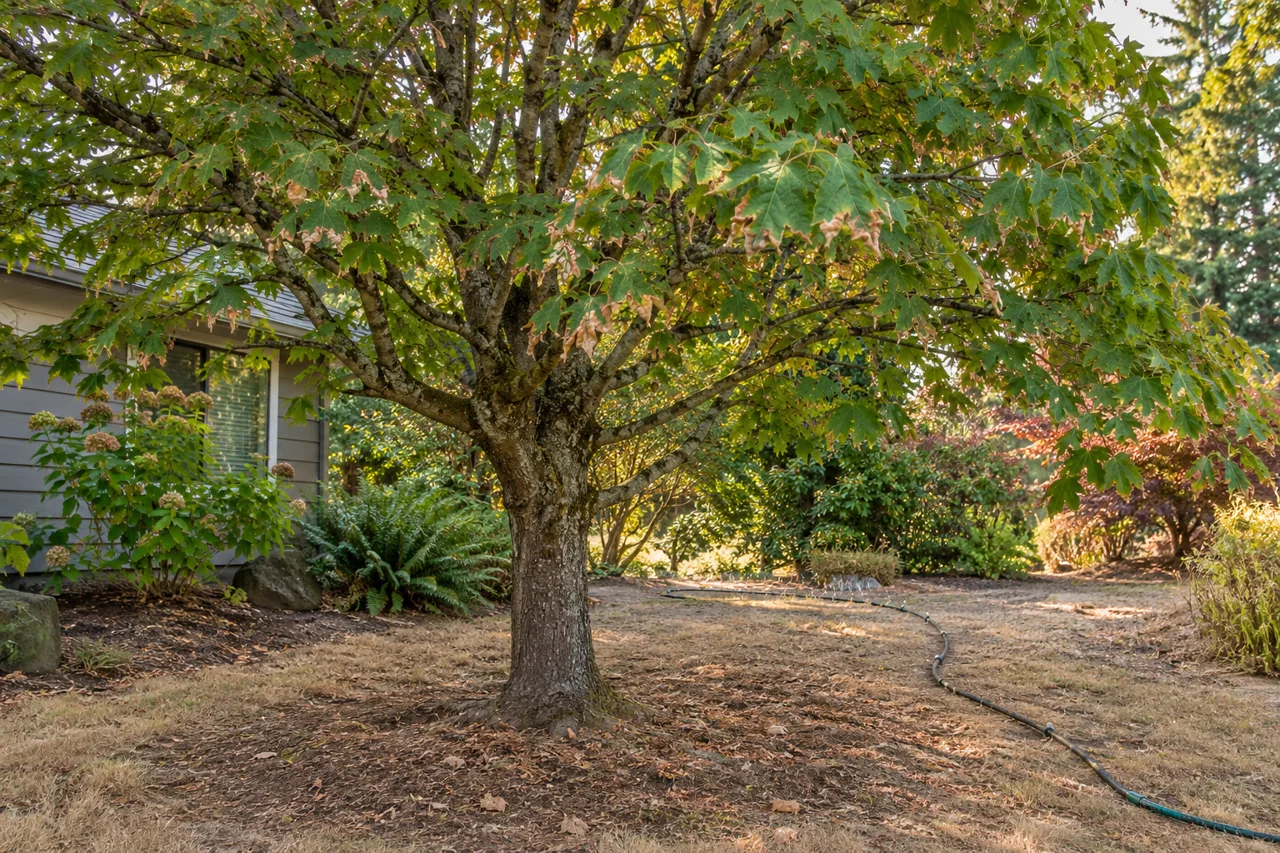
Tree Health
Drought can weaken roots and natural defenses before a tree looks seriously affected. Soil moisture, crown changes, delayed symptoms, and new pest activity help show what support is needed.
Read guide →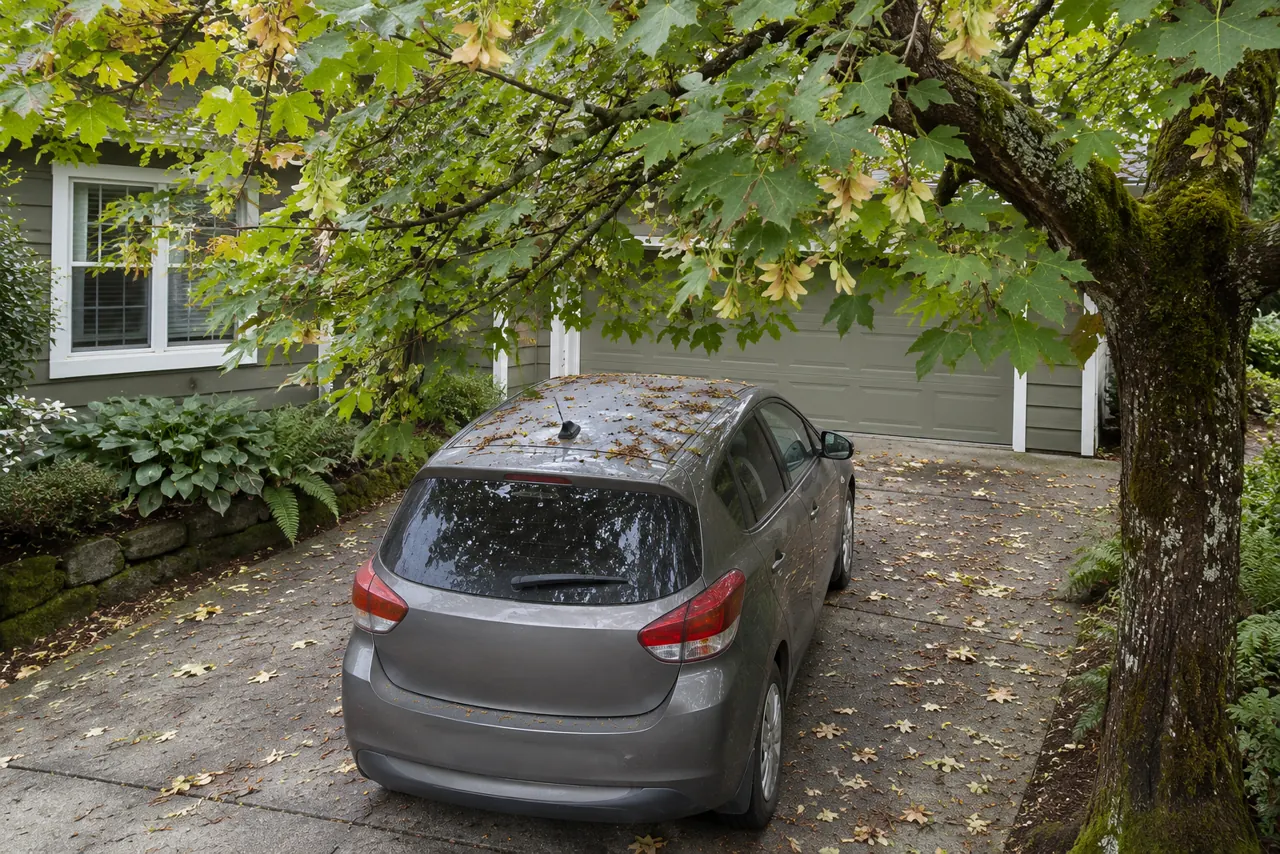
Tree Risk & Safety
Trees naturally shed leaves, flowers, fruit, cones, bark, and small twigs. Pruning can address defined branch concerns, but it cannot make a living tree debris-free.
Read guide →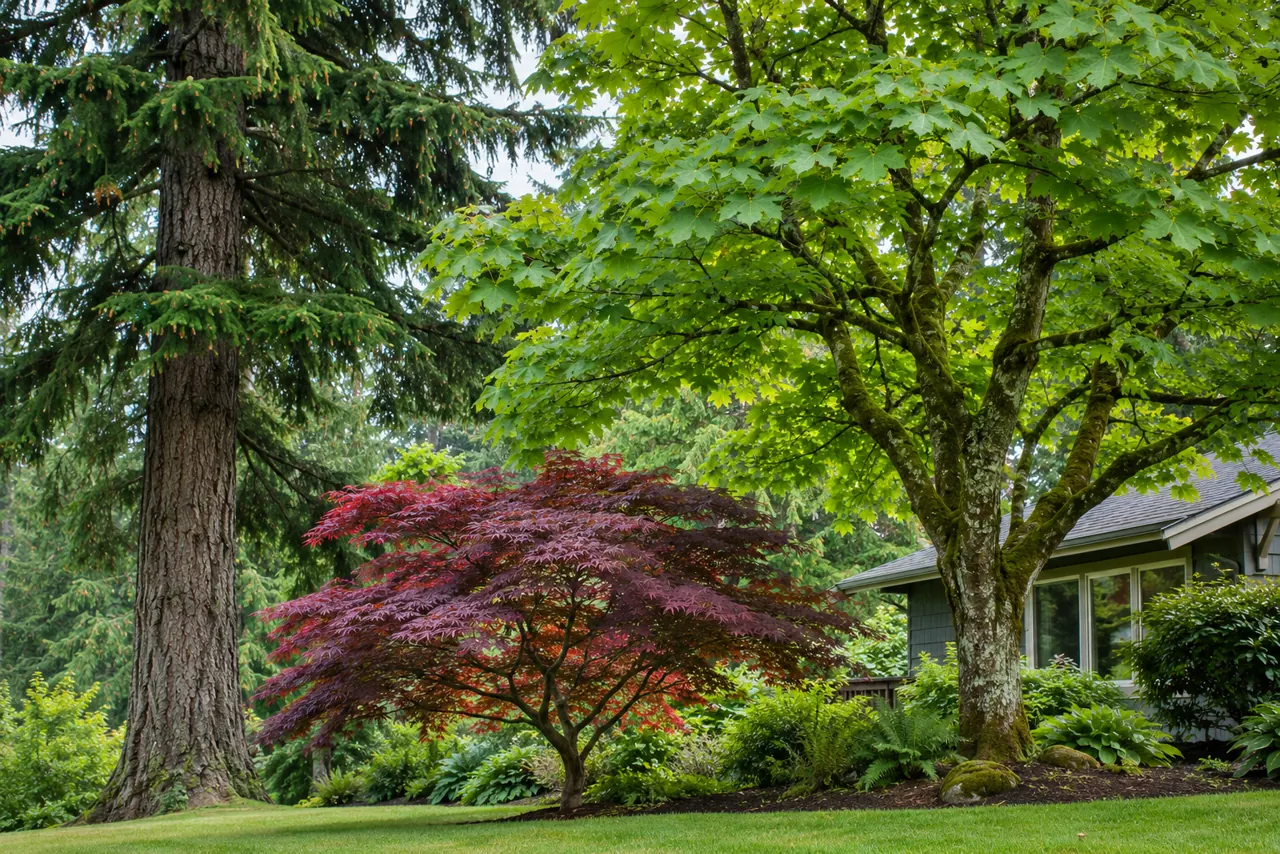
Tree Health
A simple record of important trees gives you a baseline for noticing change, planning maintenance, and making better decisions before a storm or urgent concern.
Read guide →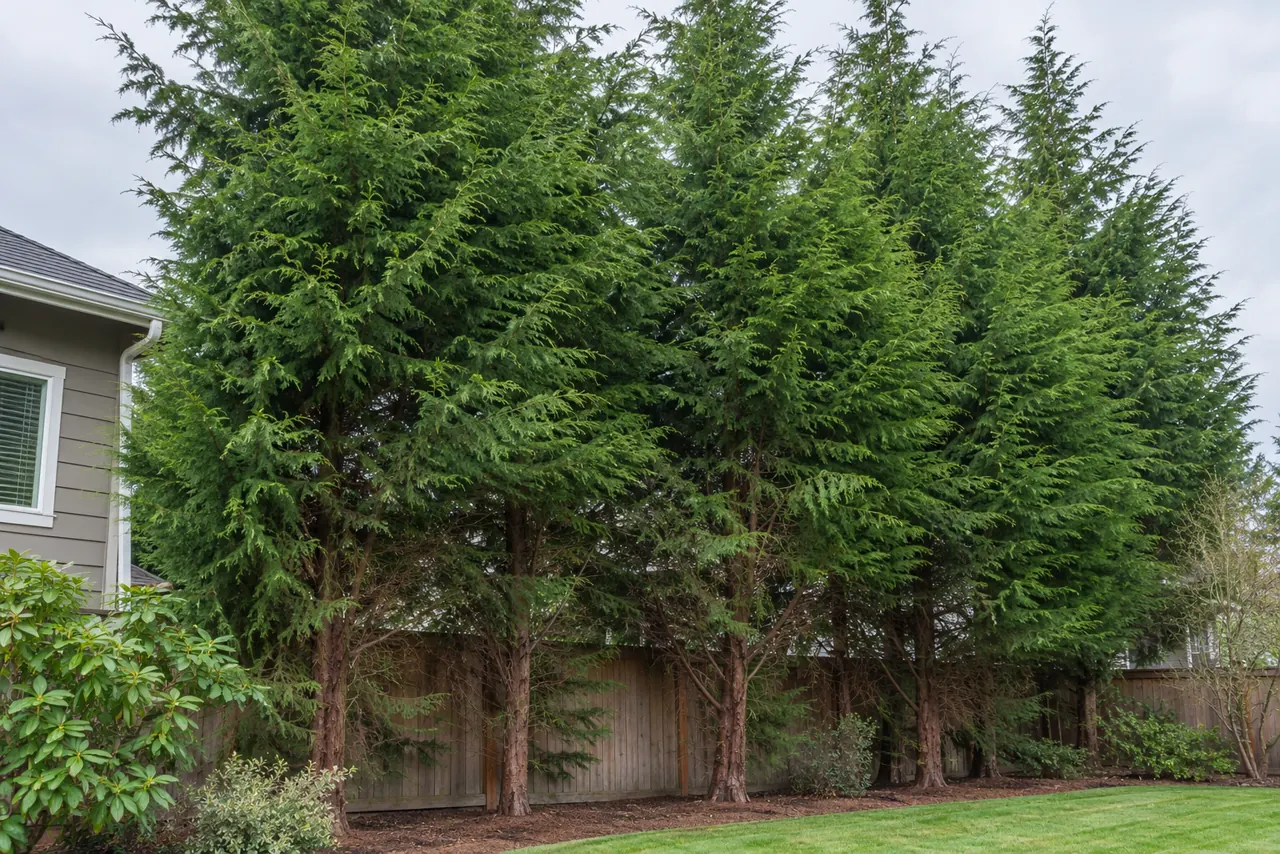
Planting & Planning
Leyland cypress creates privacy quickly because it becomes a large tree quickly. Spacing, sunlight, drainage, drought, and early pruning determine whether the screen remains dense and manageable.
Read guide →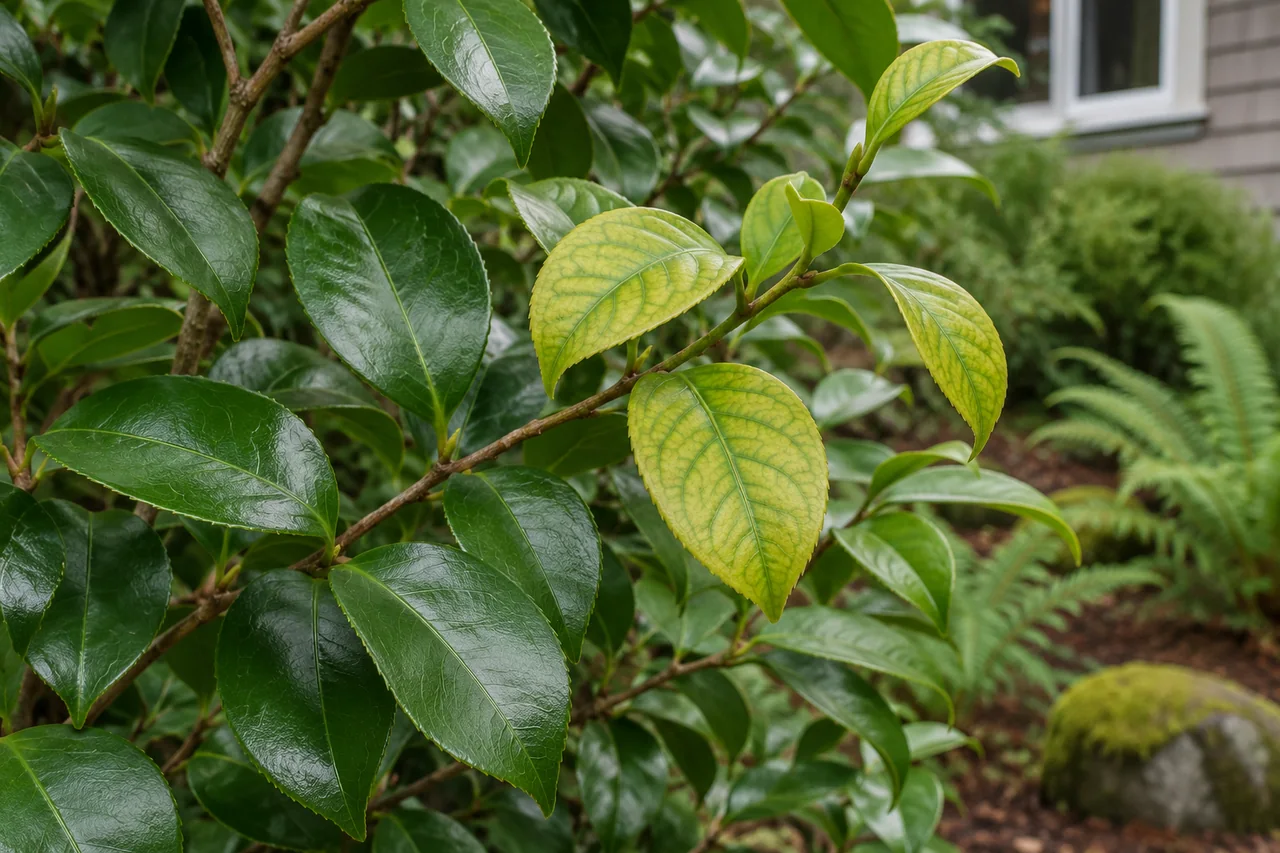
Tree Health
Chlorosis is a pattern to interpret, not a nutrient prescription. Leaf age, vein color, roots, soil pH, moisture, and testing help determine which correction has a reasonable chance of lasting.
Read guide →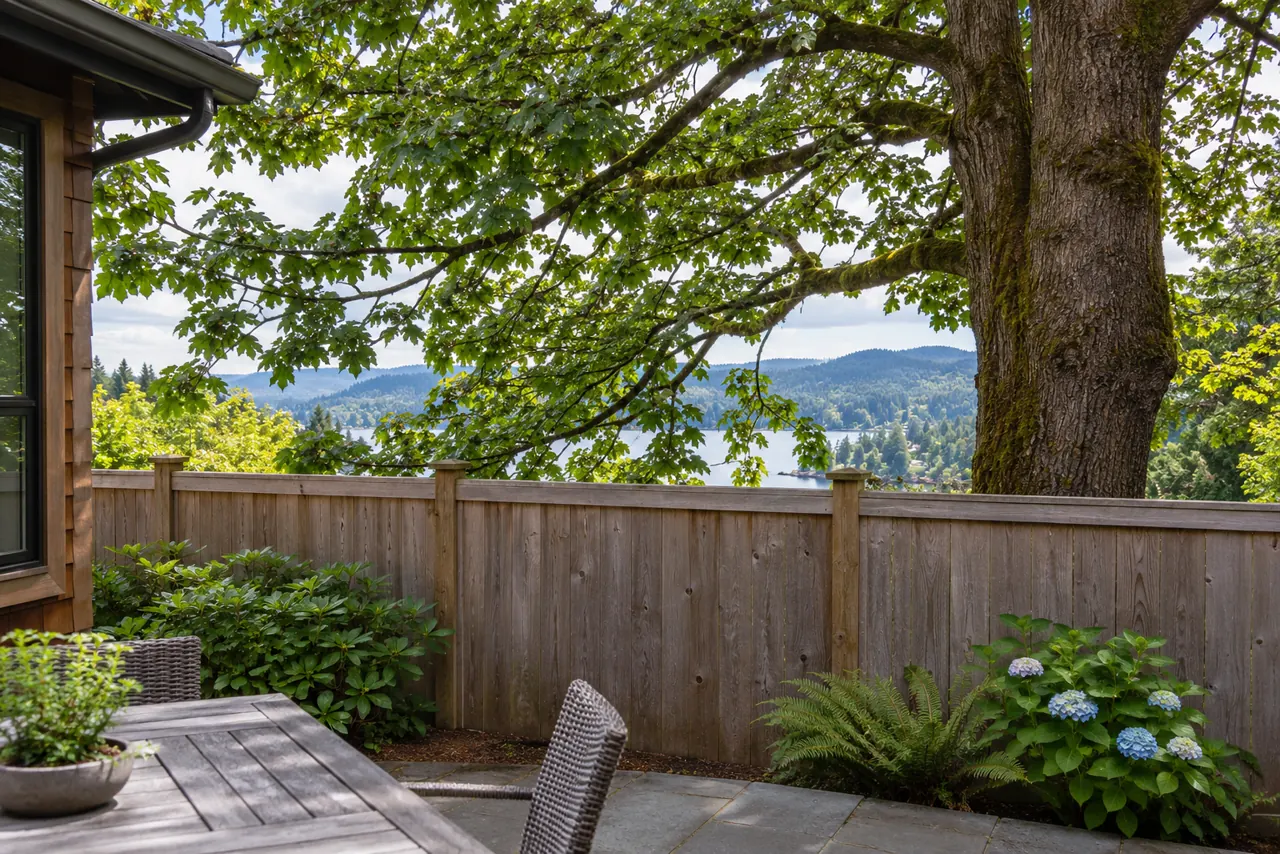
Tree Risk & Safety
A view concern is easier to resolve when ownership, permission, the exact sight line, and the tree’s biological limits are clear before anyone cuts.
Read guide →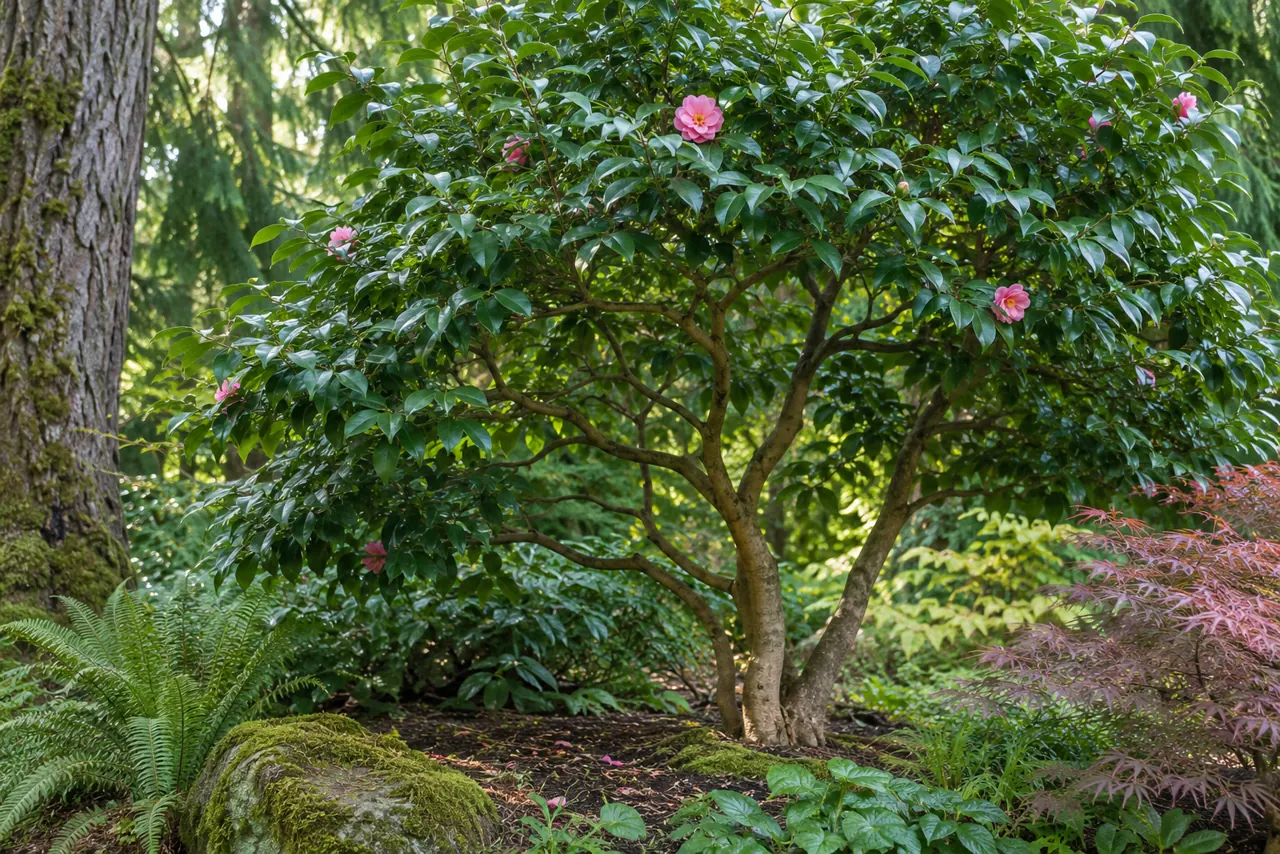
Pruning & Structure
Architectural camellia pruning reveals selected trunks and branch lines while preserving enough foliage, shade, and flowering wood for the plant to remain convincing and healthy.
Read guide →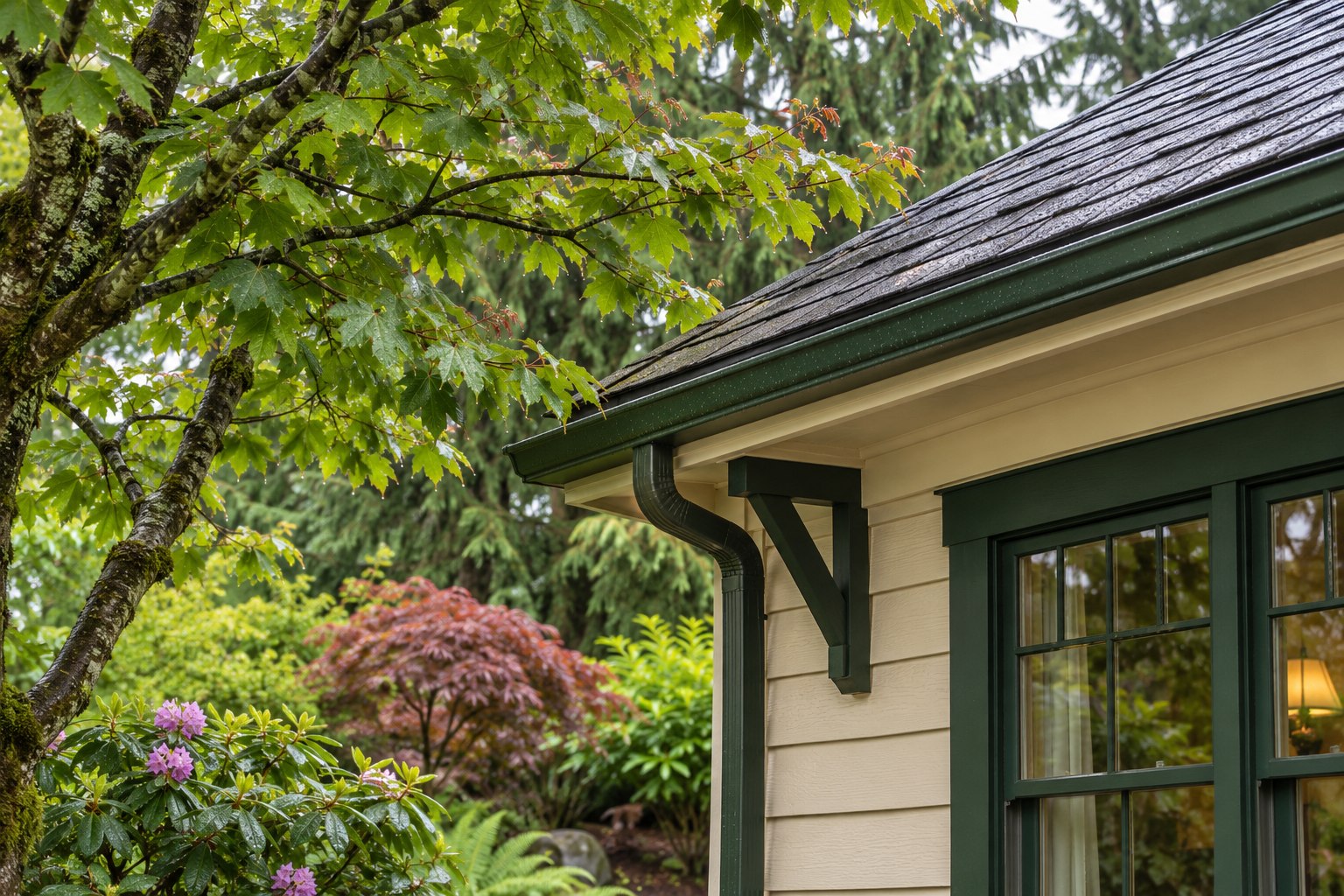
Pruning & Structure
Clearance should solve a real conflict without stripping one side of the tree. The right distance depends on growth, movement, access, and branch structure.
Read guide →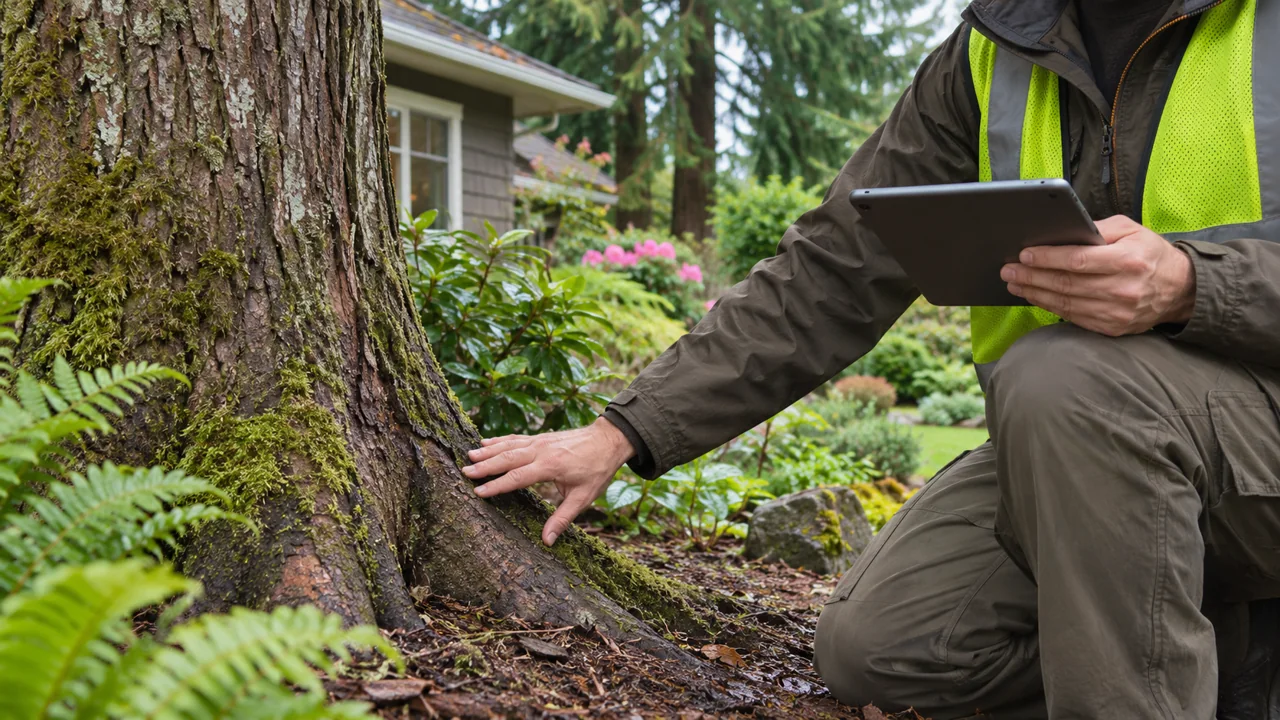
Tree Health
You can begin with a simple observation. A tree-health appointment connects what changed above ground with the roots, soil, water, history, and practical options for the property.
Read guide →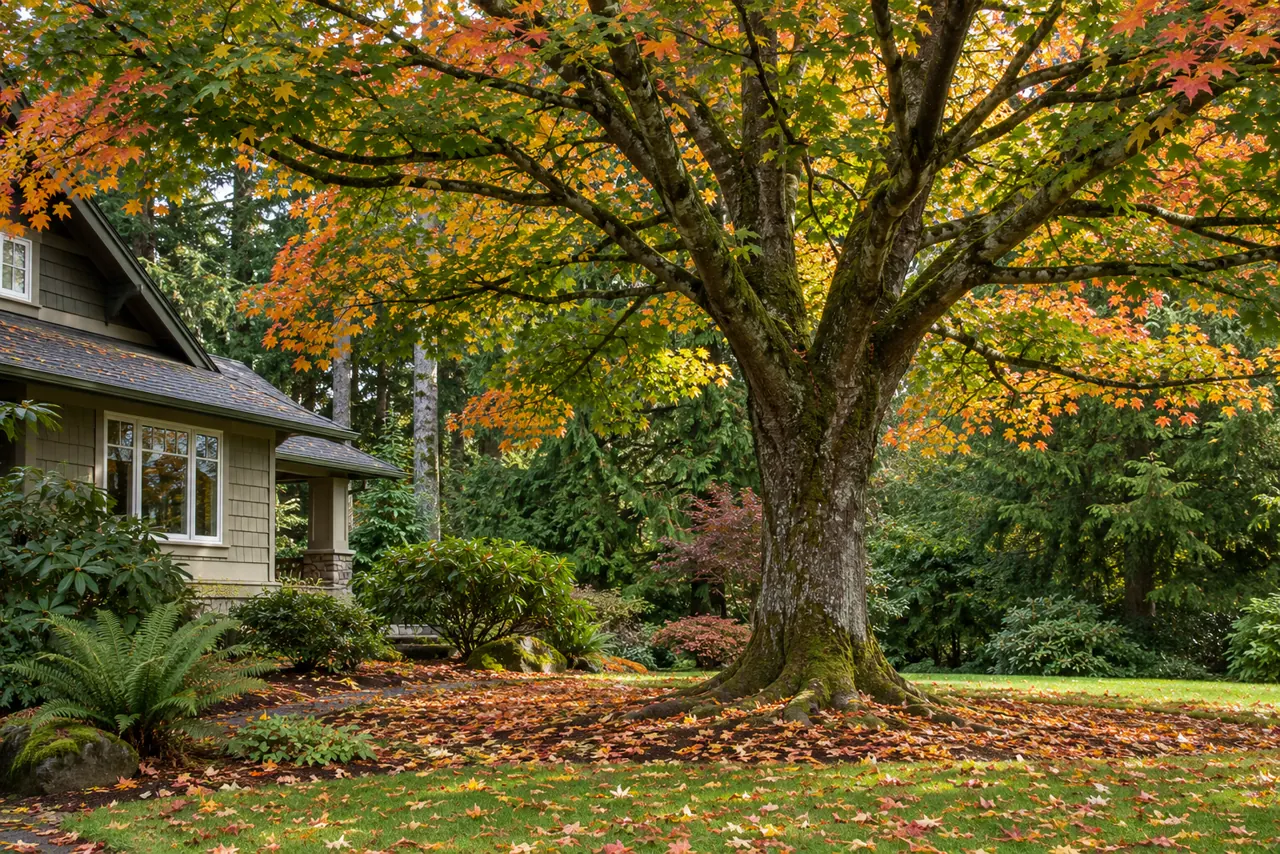
Tree Health
Fall is a useful time to compare the season’s growth, record unusual color or dieback, inspect the root area, and plan work before winter weather arrives.
Read guide →
Pruning & Structure
Advanced view pruning uses a defined sight line, selective reduction, and planned regrowth to improve a view without topping or stripping the crown.
Read guide →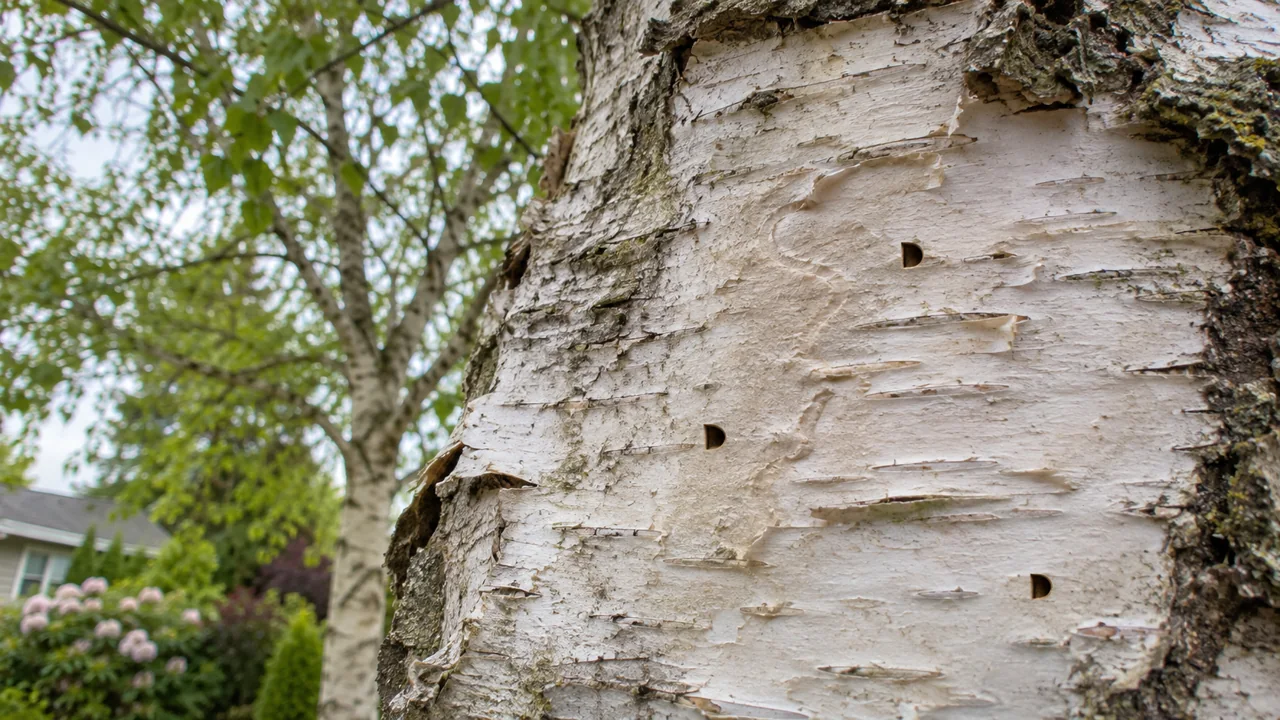
Pests & Disease
Upper-crown dieback, wrinkled bark, D-shaped exit holes, and drought stress can signal bronze birch borer. Early preventive treatment gives a valuable birch its best chance.
Read guide →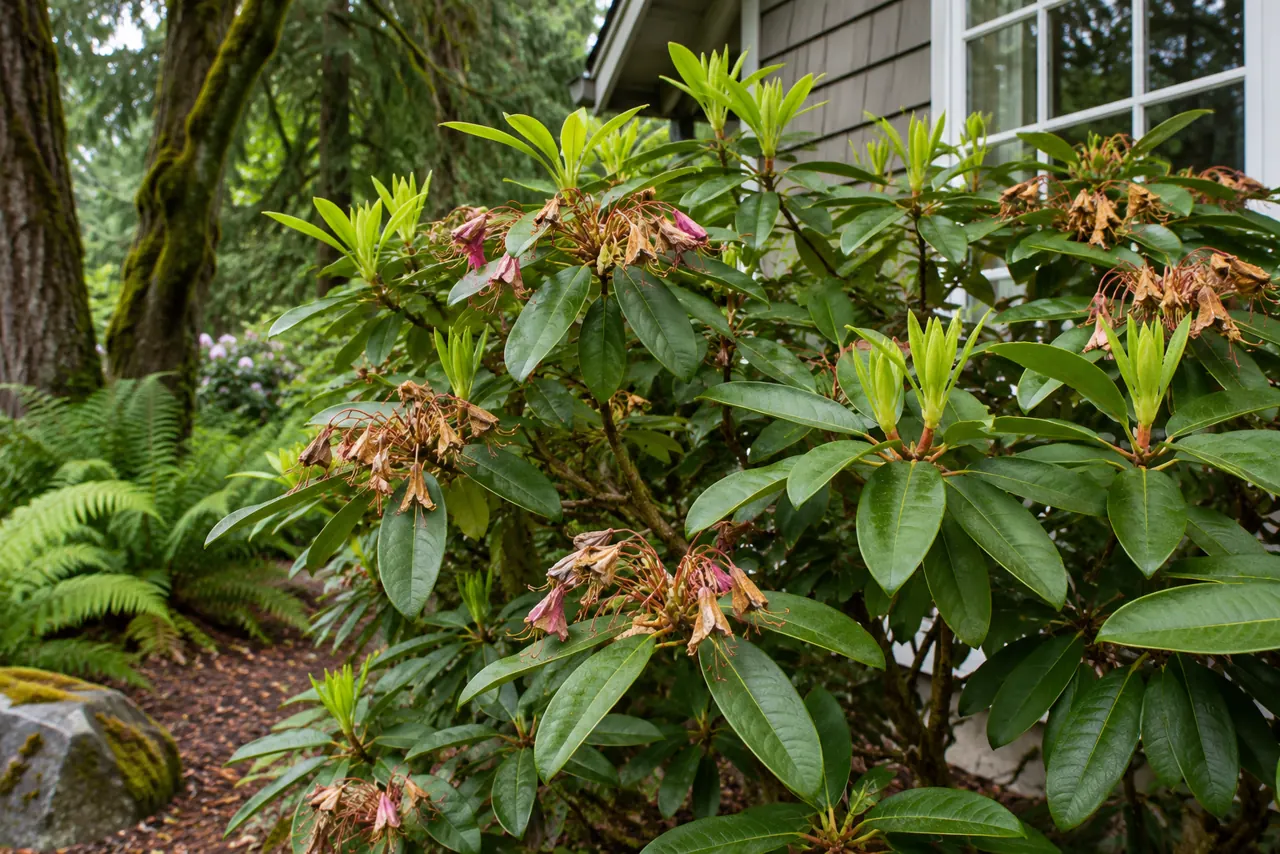
Pruning & Structure
Rhododendrons usually set next year’s flower buds after blooming. Prune with a clear objective, preserve useful foliage, and make gradual changes when renewal is needed.
Read guide →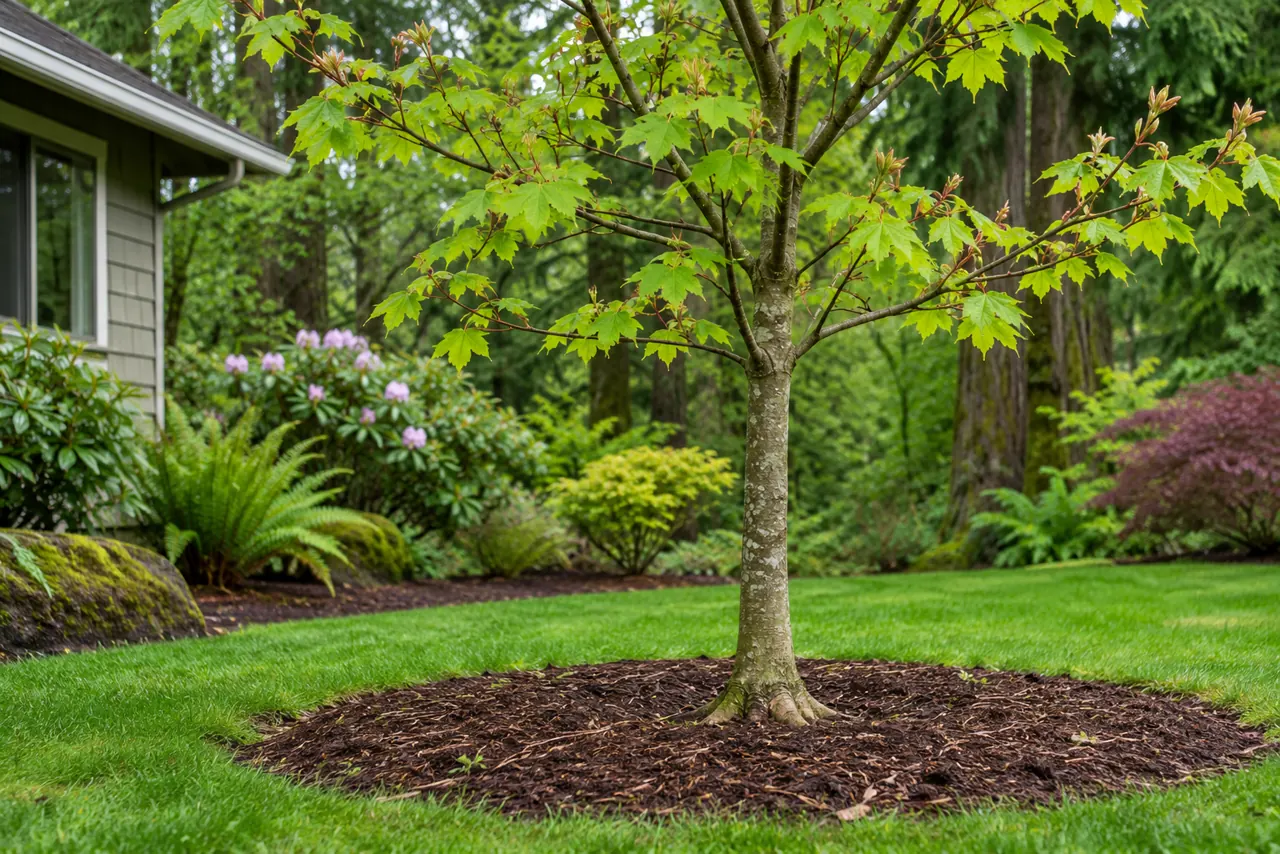
Planting & Planning
Spring growth provides a new comparison point. Bud development, planting depth, mulch, soil moisture, and uneven leaf-out can reveal where a tree needs attention.
Read guide →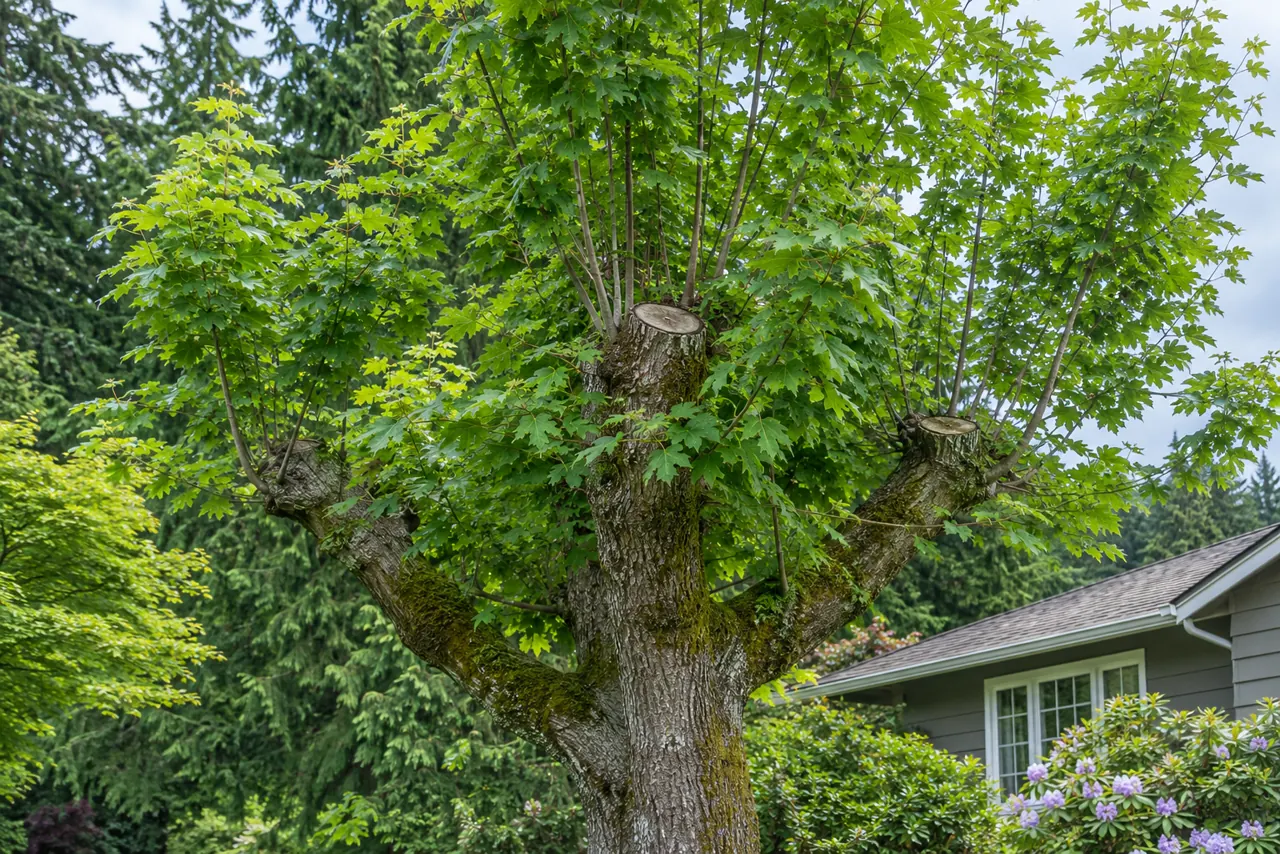
Tree Risk & Safety
Topping creates large wounds, decay pathways, rapid sprouts, and altered structure. Those defects matter, but actual risk still depends on the tree, targets, likelihood of failure, and consequences.
Read guide →Start wherever you are
Choose what you are noticing, even if you are not sure what it means.
Explore concerns →02Timely observation guides for winter, spring, summer, and fall.
View the seasons →03Understand estimates, consultations, education, monitoring, and referrals.
Compare the pathways →A measured approach
The goal is not to make every tree problem feel urgent. It is to understand what is happening and choose a response that makes sense for the tree, the property, and the people living there.