
Tree Risk & Safety
Your Tree Lost Its Top or a Large Branch. Can It Recover?
A dramatic break does not automatically settle the tree’s future. What remains, where it failed, and what could be struck all matter.
Intermediate4 min
Read guide →Tree Care Library
Begin with plain-language takeaways, then continue into the detail that fits your experience and question.
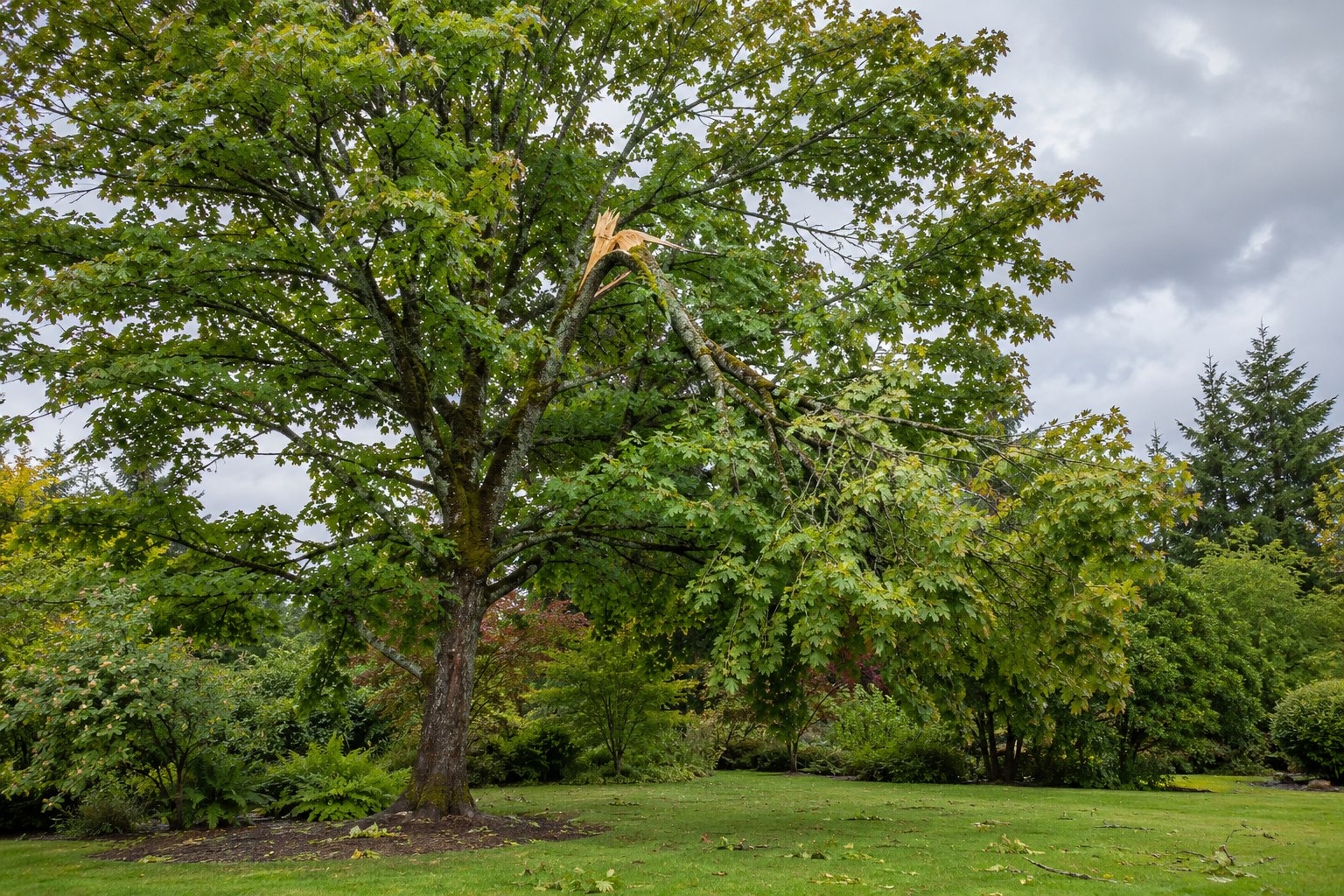
Tree Risk & Safety
A dramatic break does not automatically settle the tree’s future. What remains, where it failed, and what could be struck all matter.
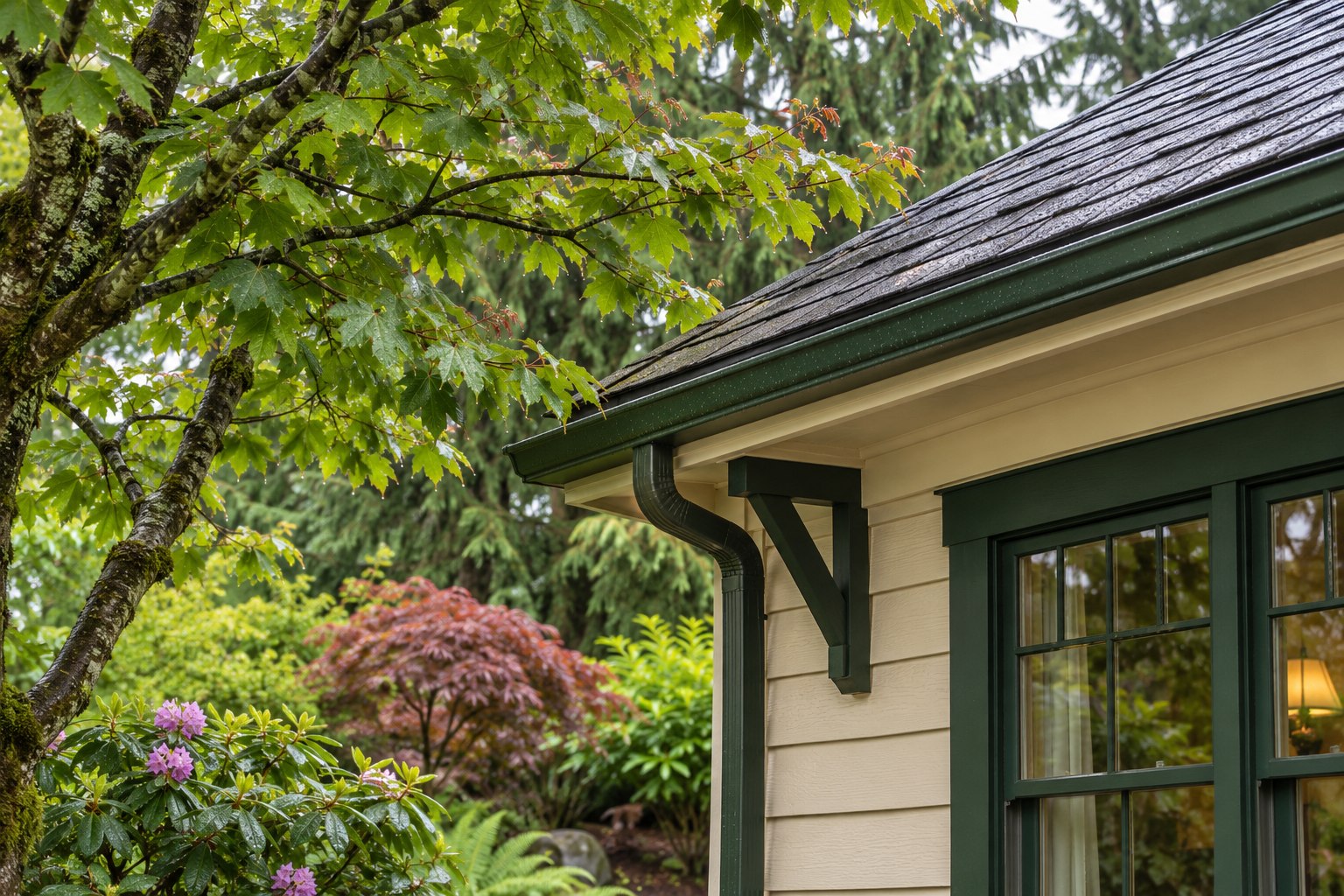
Pruning & Structure
Clearance should solve a real conflict without stripping one side of the tree. The right distance depends on growth, movement, access, and branch structure.
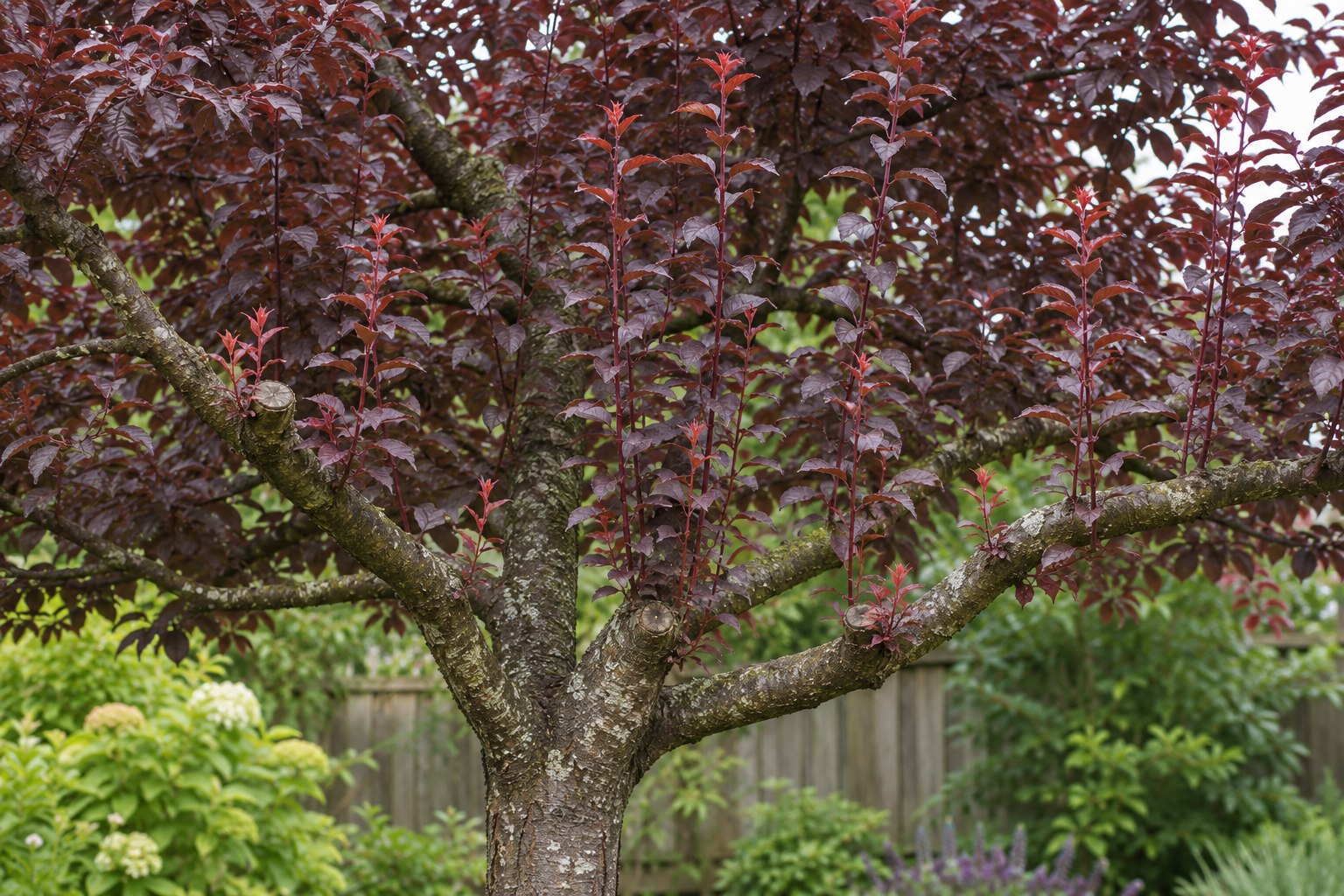
Pruning & Structure
Fast, upright shoots are often a tree’s response to pruning, stress, or abundant stored energy. Knowing where they begin helps explain what to do next.
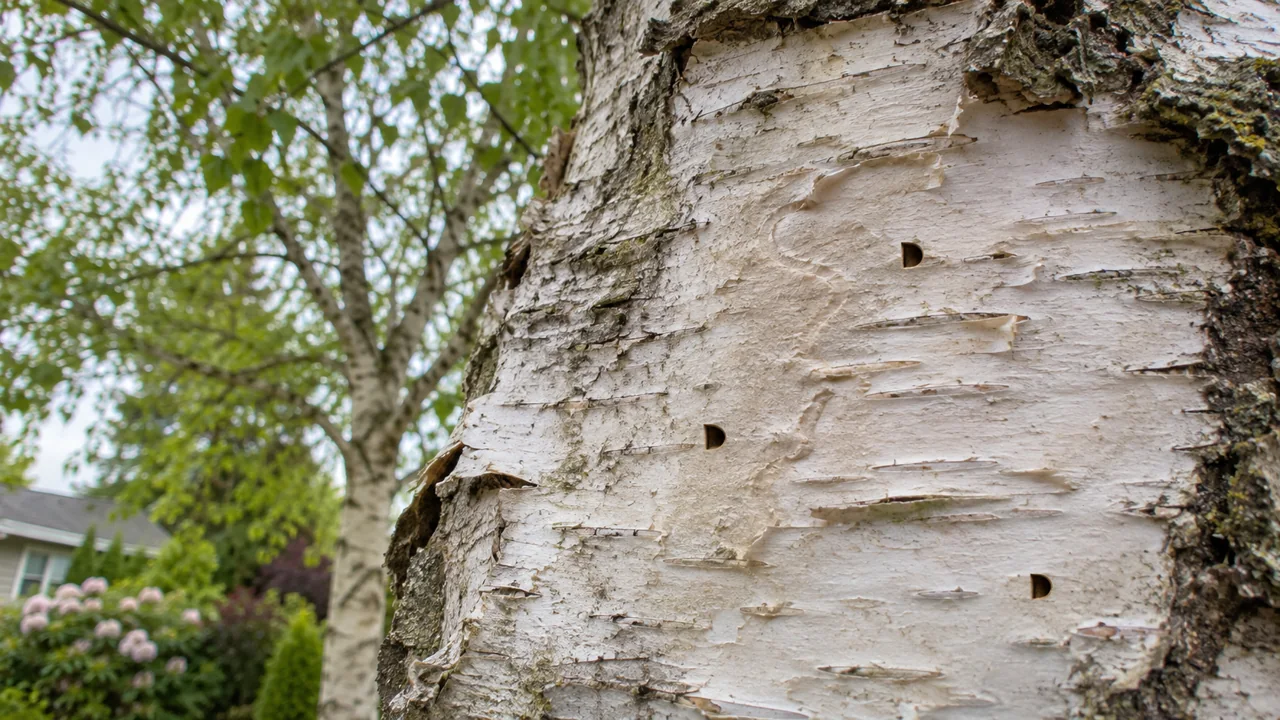
Pests & Disease
Upper-crown dieback, wrinkled bark, D-shaped exit holes, and drought stress can signal bronze birch borer. Early preventive treatment gives a valuable birch its best chance.
Pests & Disease
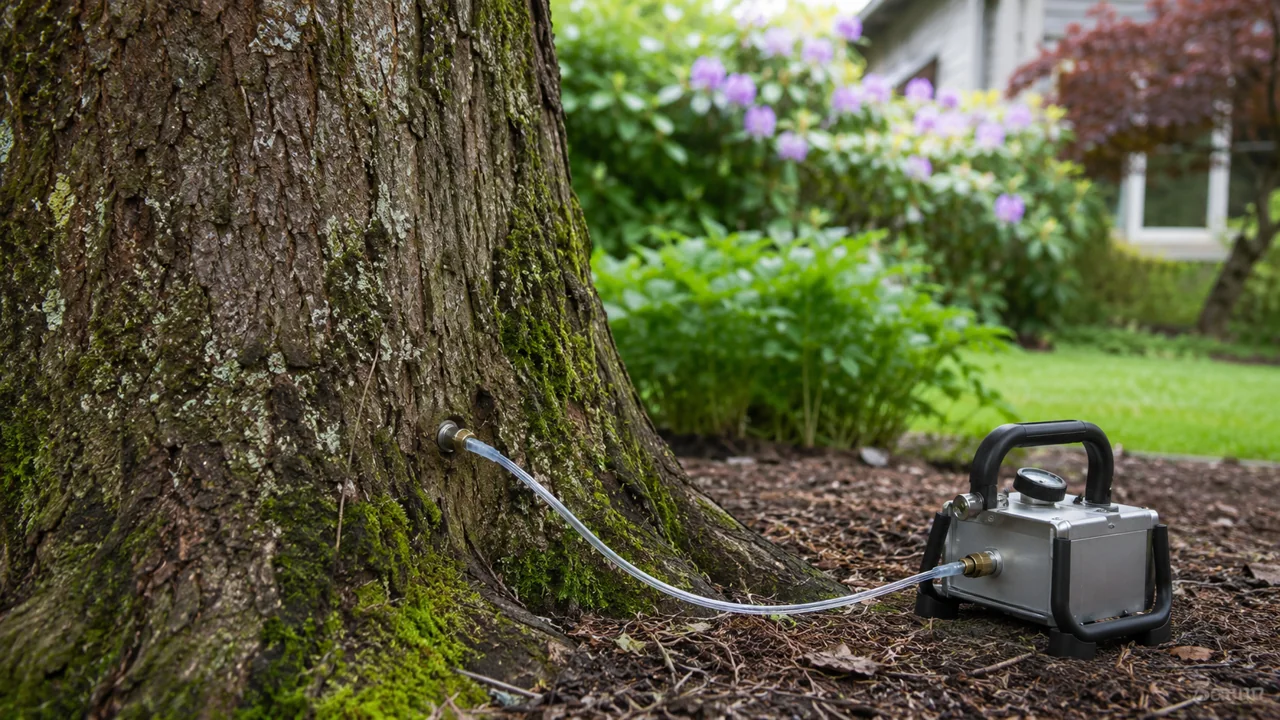
Drought can weaken a conifer’s natural defenses and give bark beetles an opening. A properly selected tree injection can protect valuable trees from within, where these insects feed.
Soil & Roots
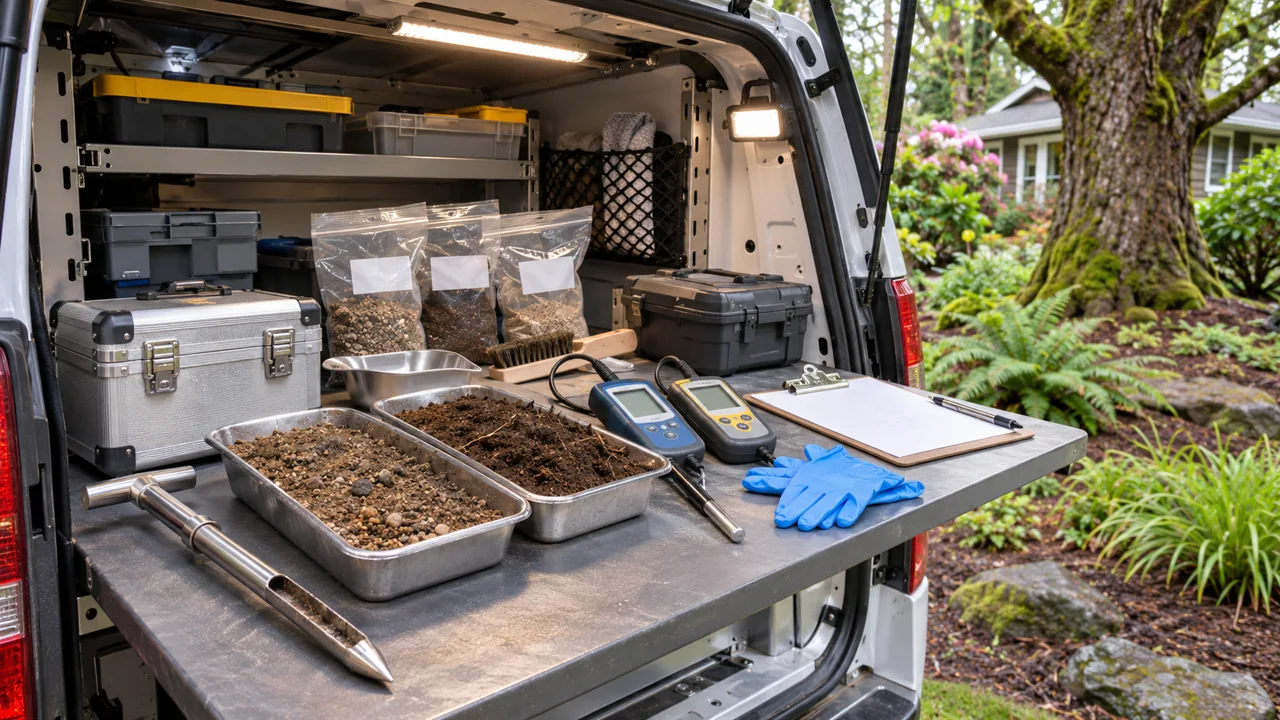
A soil test can clarify pH, salts, organic matter, and nutrient context. Paired with the tree and site, it can guide precise amendments and stronger root-zone care.
Pests & Disease
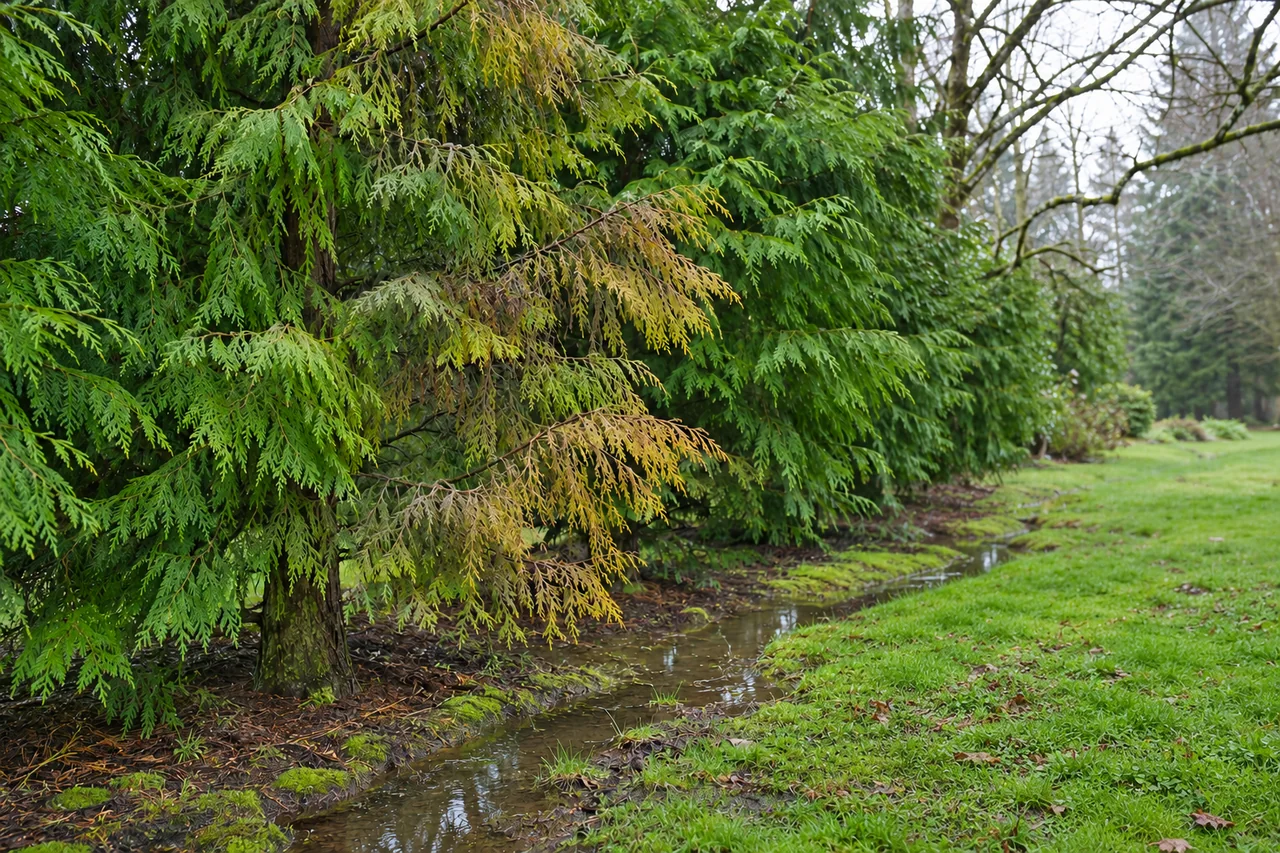
Wet soil can injure roots without a pathogen, and Phytophthora can take advantage of the same conditions. Drainage, root function, symptom patterns, and purposeful testing separate the two.
Tree Health
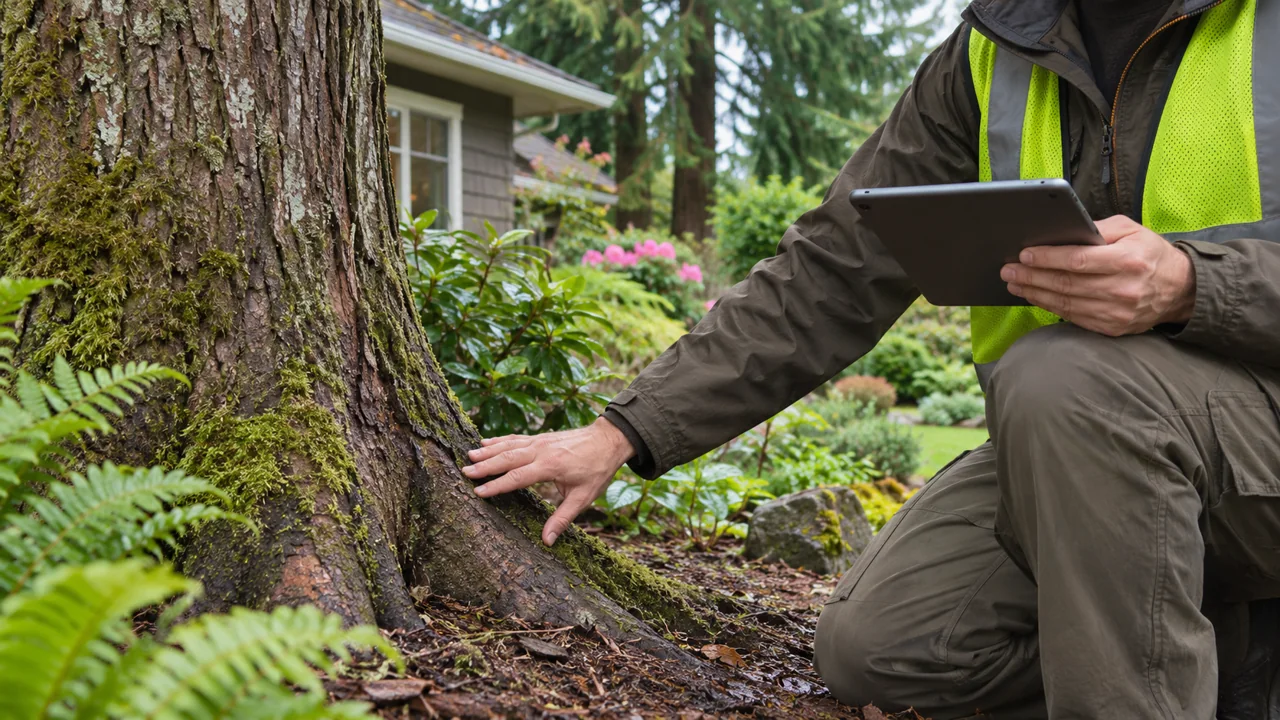
You can begin with a simple observation. A tree-health appointment connects what changed above ground with the roots, soil, water, history, and practical options for the property.
Tree Health
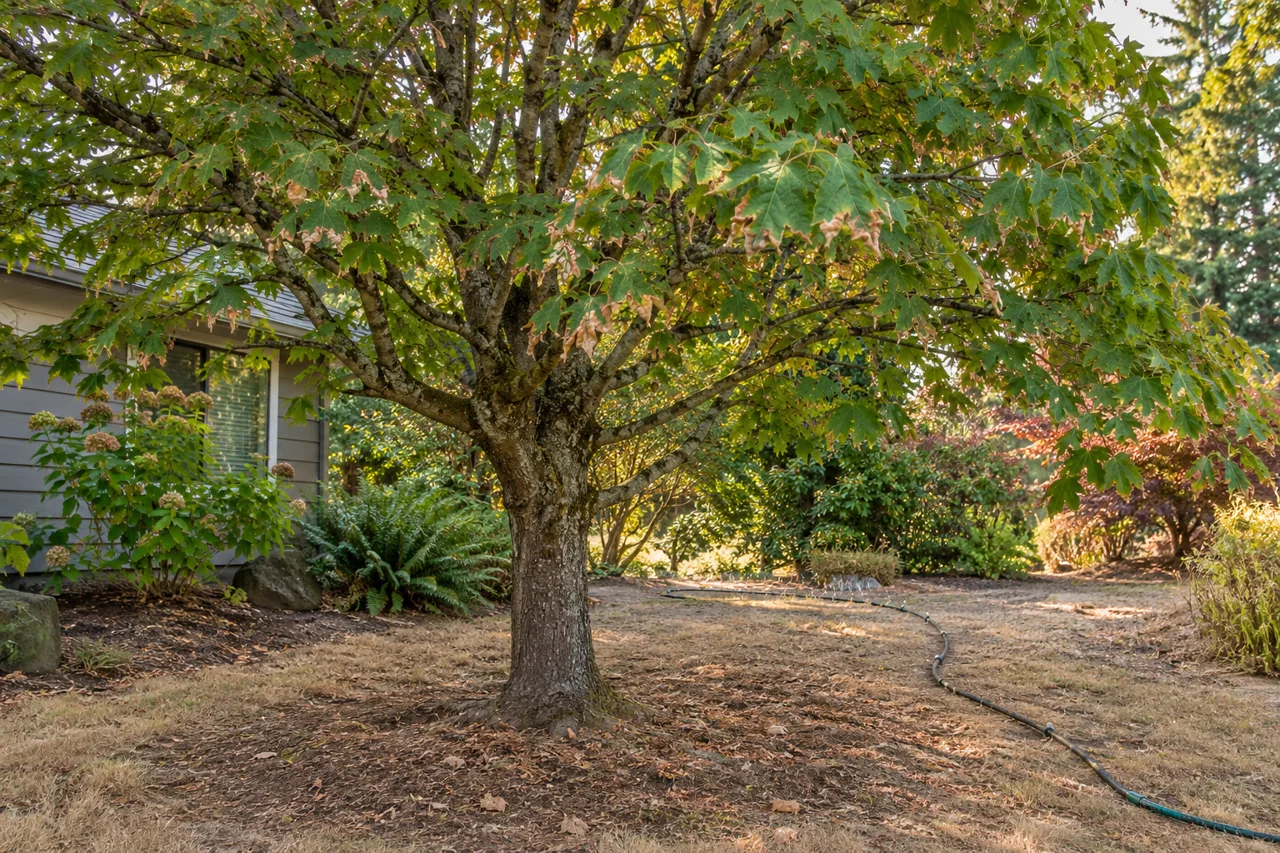
Drought can weaken roots and natural defenses before a tree looks seriously affected. Soil moisture, crown changes, delayed symptoms, and new pest activity help show what support is needed.
Tree Health
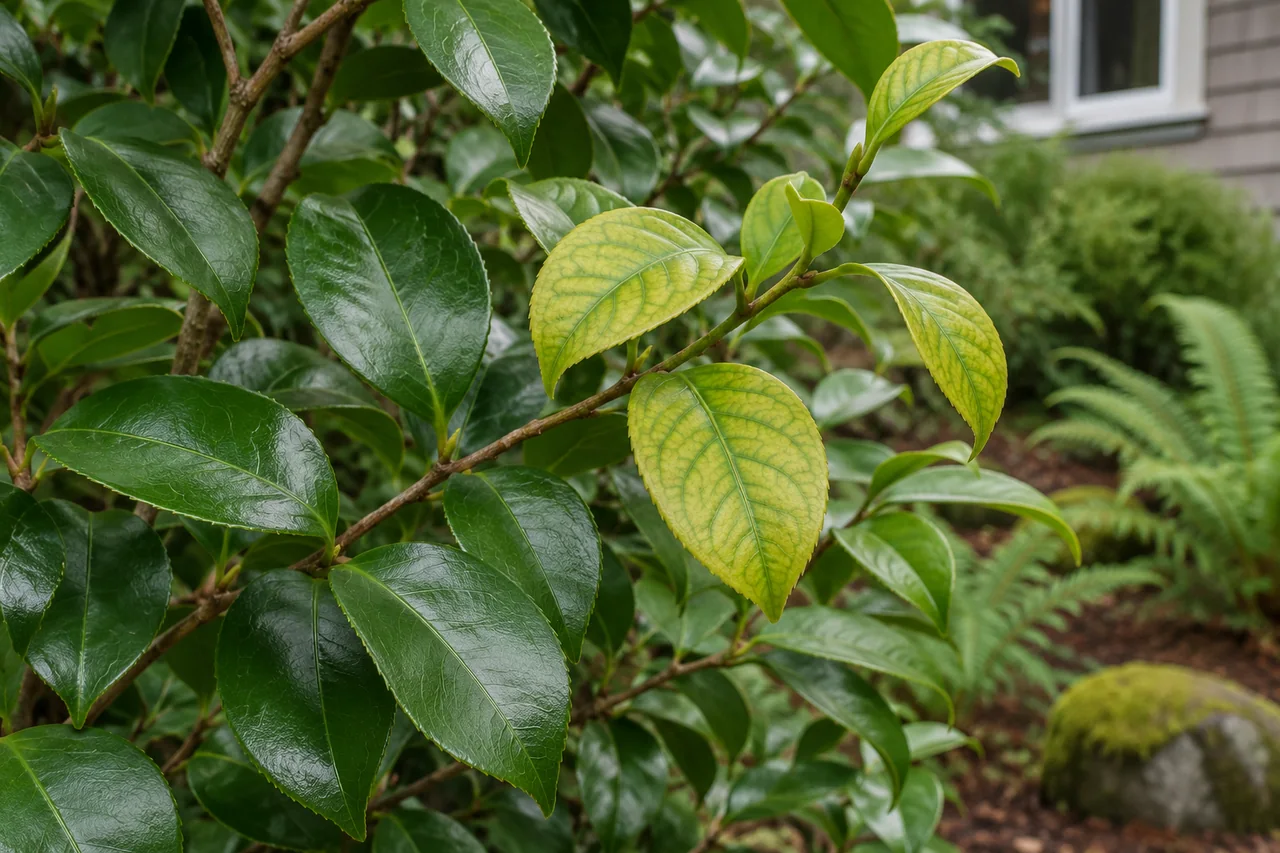
Chlorosis is a pattern to interpret, not a nutrient prescription. Leaf age, vein color, roots, soil pH, moisture, and testing help determine which correction has a reasonable chance of lasting.