You do not need specialized software to keep a useful tree record. A few consistent photographs and notes can preserve details that are difficult to reconstruct during an urgent decision.
Choose the trees that matter most
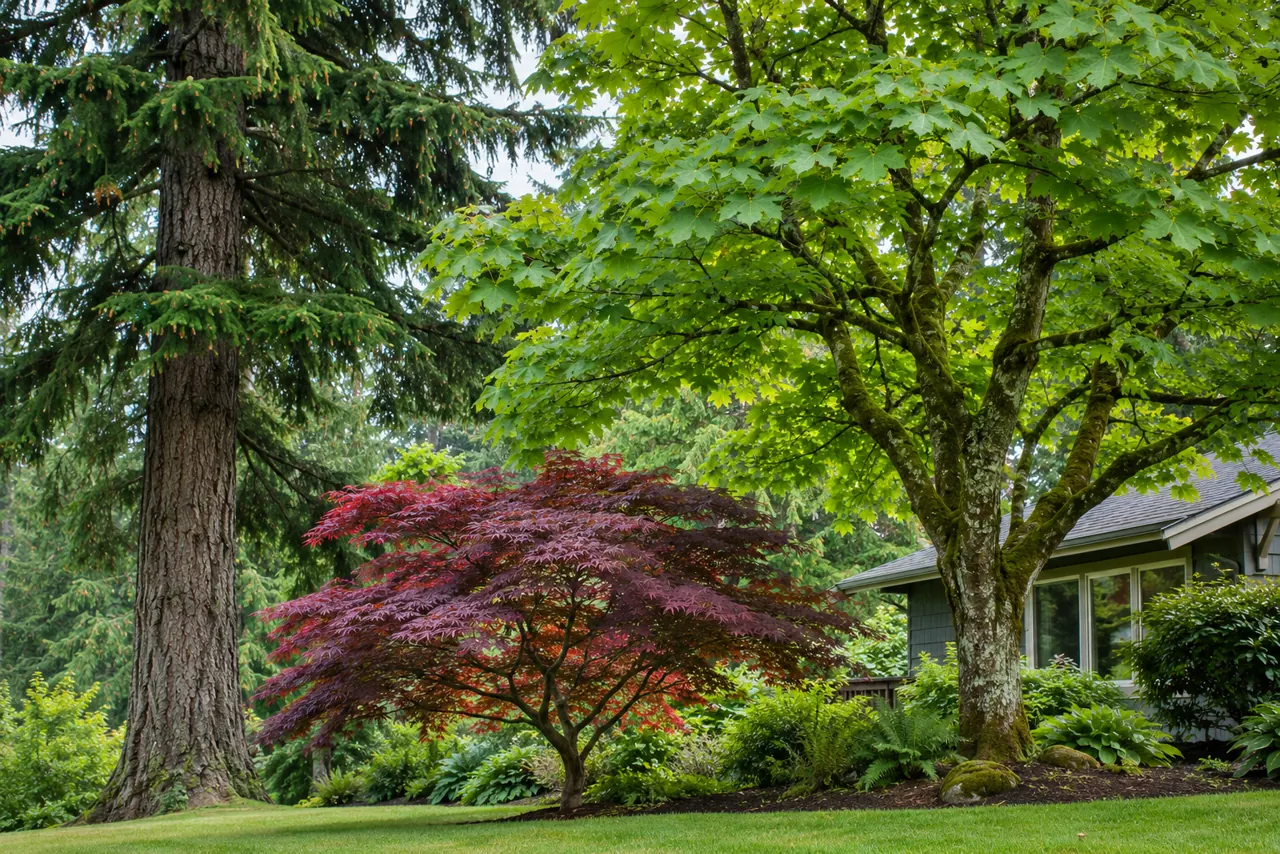
Begin with large trees near people or structures, recently planted trees, trees with a treatment history, valuable specimens, and trees that have changed. Assign each a simple name such as “front Douglas-fir” or “patio maple.”
Take repeatable photographs
Photograph the whole tree from the same position once or twice a year. Add views of the trunk base, main branch structure, and surrounding site. Repeatable images reveal gradual thinning, lean, construction changes, and differences in growth better than memory.
Record events, not every leaf
Note planting date if known, major pruning, storms, irrigation changes, trenching, paving, treatments, and unusual symptoms. Include the date and what part of the tree was involved.
Keep professional records with the tree
Save proposals, laboratory reports, treatment ingredients, and assessment notes under the same tree name. This makes it easier to understand what was tried and whether the tree changed afterward.
Use the record before decisions become urgent
A baseline helps show whether a lean is new, whether crown density has changed, and whether treatment produced the expected response. It also improves an arborist’s ability to understand the timeline.
If you have several important trees and are unsure where to begin, an appointment can establish a basic inventory and identify which trees deserve closer follow-up.
Reference: International Society of Arboriculture, Mature Tree Care.